

Home
Products & Services Renewable energy Manufacturing a floating pontoon system for a solar power project.
Featured News


Manufacturing a floating pontoon system for a solar power project.
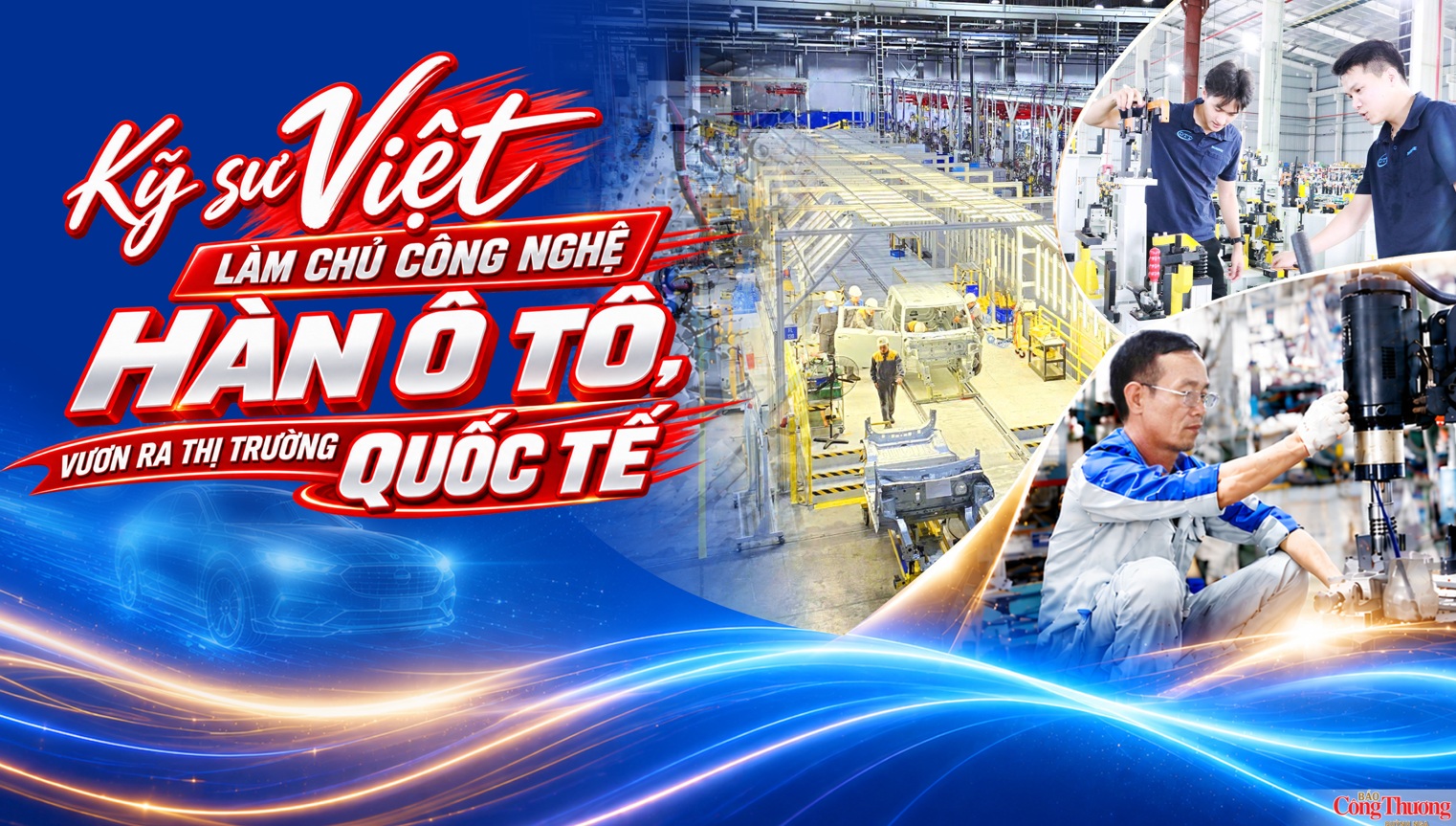
Recently, the National Research Institute of Mechanical Engineering (Ministry of Industry and Trade) has focused resources on researching and mastering the technology of designing and manufacturing floating buoy and mooring systems for solar power projects, opening prospects for developing equipment products serving the renewable energy industry bearing a Vietnamese brand.
Master Nguyen Ha An – Director of the Hydro-Electromechanical Center (National Research Institute of Mechanical Engineering) – stated that Vietnam is one of the countries with the most sunlight on the global solar radiation map. The revised Power Master Plan VII has outlined the prospect and set a plan for solar power production of about 12,000MW by 2030.
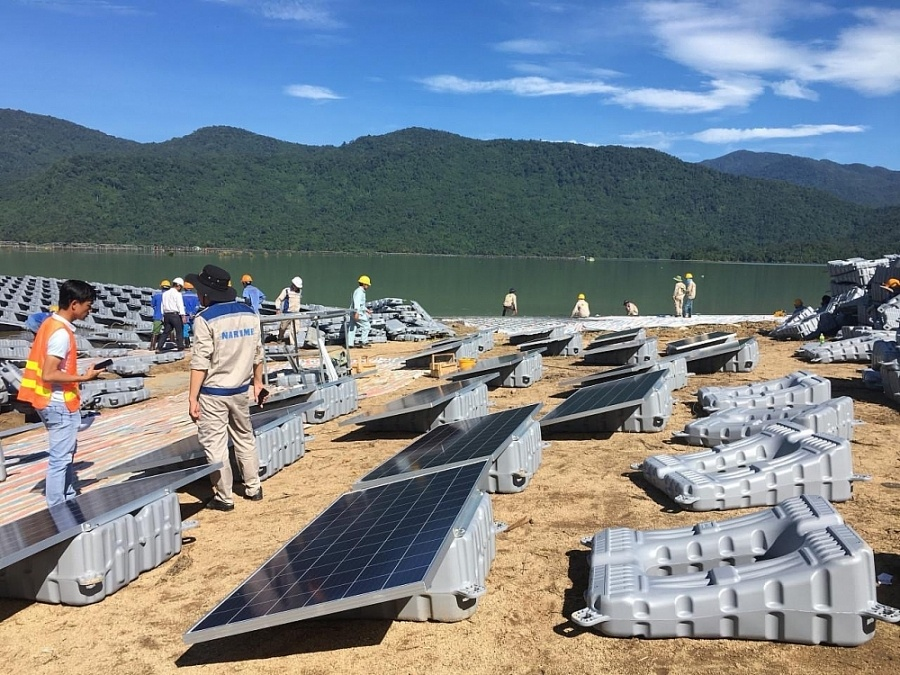
Design and manufacturing of floating buoy and mooring systems for solar power projects
However, solar power requires area to accommodate panels exposed to sunlight. Panels placed on land occupy large areas, causing difficulties in solar power investment due to land clearance costs and occupying local land funds. To overcome this difficulty, the world has researched utilizing hydropower and irrigation reservoirs to locate plants. Another advantage is that placing panels on water yields higher efficiency than on land because water evaporation provides cooling.
According to statistics, to date, the country has had over 30 floating solar power projects promoted by domestic and foreign investors, with projects having capacities from 20 to over 300MW, concentrated mainly in the Central, Central Highlands, and Southern regions. In floating solar power projects, the floating buoy system supporting the panels and auxiliary systems accounts for about 40% of the project equipment value.
Faced with the demand and opportunity, research, investment, and cooperation in manufacturing floating buoy and mooring systems for solar power projects are extremely necessary and urgent. Accordingly, the National Research Institute of Mechanical Engineering has focused resources on researching and mastering the technology of designing and manufacturing floating buoy and mooring systems for solar power projects. The Institute has organized teams of specialized engineers to participate in research and surveys of solar power plants in China, Malaysia, South Korea, Japan, France, Taiwan, and found reasonable solutions suitable for domestic conditions.
Notably, the Institute won the bid to implement "Design, supply, installation, and testing of the buoy and mooring system" with a capacity of 47.5MW for the Da Mi Solar Power Plant Project. The work was stably installed at Da Mi reservoir, with the floating solar panel system on the reservoir synchronously connected to the buoy system and electrical and control equipment with a capacity of 47.5MW. The buoy system is anchored in the reservoir bed using specialized mooring cables, ensuring adaptation to all weather conditions on the reservoir…
Master Nguyen Ha An said that during implementation, major and complex technological issues encountered many difficulties due to the lack of Vietnamese standards for calculation, design, and product testing. In addition, regarding the design of the mooring system for the project, as it was the first time in the country to be carried out with very large water level fluctuations in hydropower reservoirs during the year, ranging from 4 to 40m, calculation of the mooring system to ensure stability during operation is very important. For Da Mi reservoir, the water level fluctuation during operation is only about 4m. "However, from the success of the project combined with the experiences and technology gained, the Institute is confident to calculate mooring systems with larger water level fluctuations," Master Nguyen Ha An affirmed.
Source: congthuong.vn


