Tiềm năng lớn phát triển công nghiệp khai thác bauxit
Chia sẻ với phóng viên Báo Công Thương, ông Nguyễn Hải Hà – Phó Viện trưởng Viện Nghiên cứu Cơ khí – cho biết, theo kết quả nghiên cứu các báo cáo thăm dò của Viện Khoa học và Công nghệ Mỏ – Luyện kim, trữ lượng quặng nguyên khai của khu vực Tây Nguyên khoảng 10 tỷ tấn. Với trữ lượng như vậy, nguồn tài nguyên của khu vực này được thế giới đánh giá chỉ đứng sau Australia, Guinea và là tiềm năng lớn để phát triển công nghiệp khai thác bauxite, chế biến alumin và nhôm của Việt Nam.
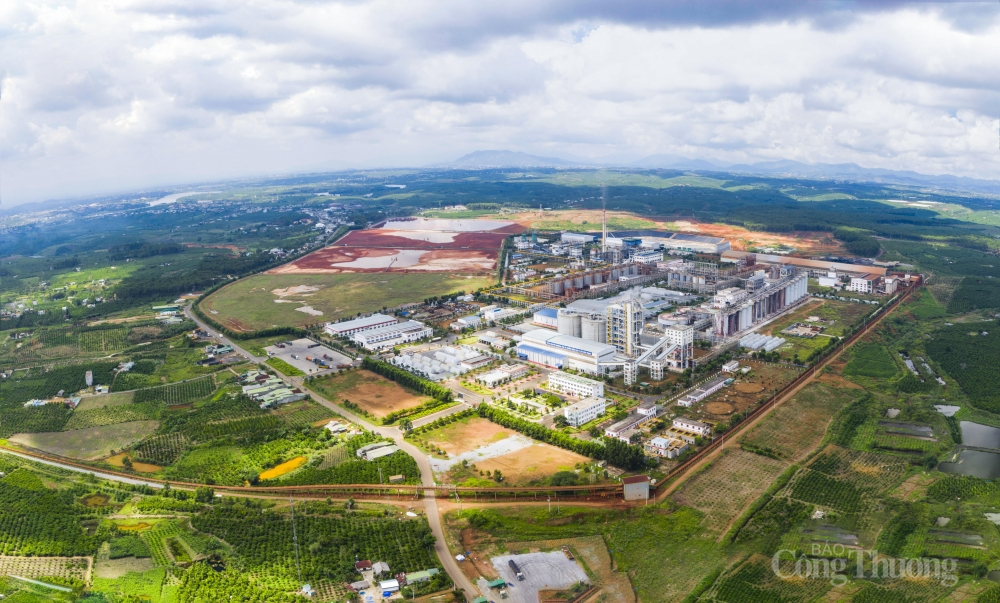
Toàn cảnh Nhà máy Alumin Nhân Cơ, tỉnh Đắk Nông
Bên cạnh đó, qua nghiên cứu cho thấy quặng bauxite các mỏ ở Tây Nguyên đều có chung một đặc điểm là lợi thế cho sản xuất alumin với giá thành thấp, đó là: Các mỏ có trữ lượng lớn, lộ thiên và dễ khai thác với chi phí thấp; hàm lượng silic trong quặng nguyên khai cao nên trước khi đưa vào sản xuất alumina đều phải qua khâu tuyển rửa loại bớt silic và sét, qua đó giảm chi phí tiêu hao kiềm trong sản xuất alumin; hàm lượng Al2O3 sau tuyển cao (từ 47 – 51%) nên hiệu quả sản xuất alumin cao và lượng bùn đỏ thải ra từ sản xuất thấp so với các nước khác…
Từ kết quả hai dự án thí điểm nhà máy alumin Tân Rai và Nhân Cơ của TKV, ông Nguyễn Hải Hà thông tin, sau khi đưa vào vận hành thương mại, hai dự án nhà máy alumin này được các cơ quan, tổ chức đánh giá là đạt các yêu cầu đề ra trong dự án và sản xuất kinh doanh mang lại hiệu quả kinh tế – xã hội tốt.
Đặc biệt, lần đầu tiên Việt Nam thực hiện thành công EPCM trong lĩnh vực sản xuất alumin với nguồn nhân lực trẻ, đồng thời thu hút được nhà đầu tư để bước đầu hình thành ngành công nghiệp alumin và luyện nhôm ở Việt Nam. Bên cạnh đó, hai dự án khai thác và chế biến bauxite Tân Rai và Nhân Cơ đã cho thấy đây là một chủ trương đúng đắn của Đảng và Nhà nước, mang lại hiệu quả tổng thể cả về kinh tế – xã hội, bảo đảm an ninh – quốc phòng.
“Trên thực tế, hai dự án thí điểm khai thác bauxite và chế biến alumin Tân Rai và Nhân Cơ đã có đóng góp nhất định cho kinh tế của đất nước, thu hút được nhà đầu tư vào lĩnh vực luyện nhôm, từ đó thúc đẩy phát triển ngành công nghiệp chế tạo cơ khí, thiết bị và hóa chất phụ trợ” – ông Nguyễn Hải Hà nhấn mạnh, đồng thời thông tin, trong hội thảo alumin toàn cầu tổ chức năm 2019 tại Queen Land (Australia), giá thành sản xuất alumin của hai dự án này được đánh giá là thấp nhất thế giới.
Từ kết quả hai dự án thí điểm nêu trên, TKV đã có chủ trương đầu tư các dự án sản xuất alumin trong tương lại gần. Theo đó, từ năm 2021 – 2025, nâng công suất nhà máy alumin Tân Rai và Nhân Cơ hiện hữu lên khoảng 800.000 tấn alumin/năm và đến năm 2030 dự kiến đầu tư hai dây chuyền sản xuất alumin mới công suất 1.200.000 tấn alumin/năm trên diện tích có sẵn của nhà máy alumin Tân Rai và Nhân Cơ. Từ 2025-2035, dự kiến đầu tư dây chuyền sản xuất alumin mới công suất 2 triệu tấn alumin/năm tại khu vực mỏ Quảng Sơn, Đắk Nông.
Động lực thúc đẩy các đơn vị chế tạo trong nước
Khẳng định tiềm năng phát triển của công nghiệp chế biến bauxite là rất lớn, ông Phan Đăng Phong – Viện trưởng Viện Nghiên cứu Cơ khí – cho rằng, đây là động lực thúc đẩy các doanh nghiệp chế tạo trong nước đầu tư đổi mới trang bị, công nghệ, trình độ quản lý đạt tiêu chuẩn quốc tế để đáp ứng được nhu cầu của thị trường chế tạo thiết bị, phụ tùng cho công nghiệp sản xuất alumin.
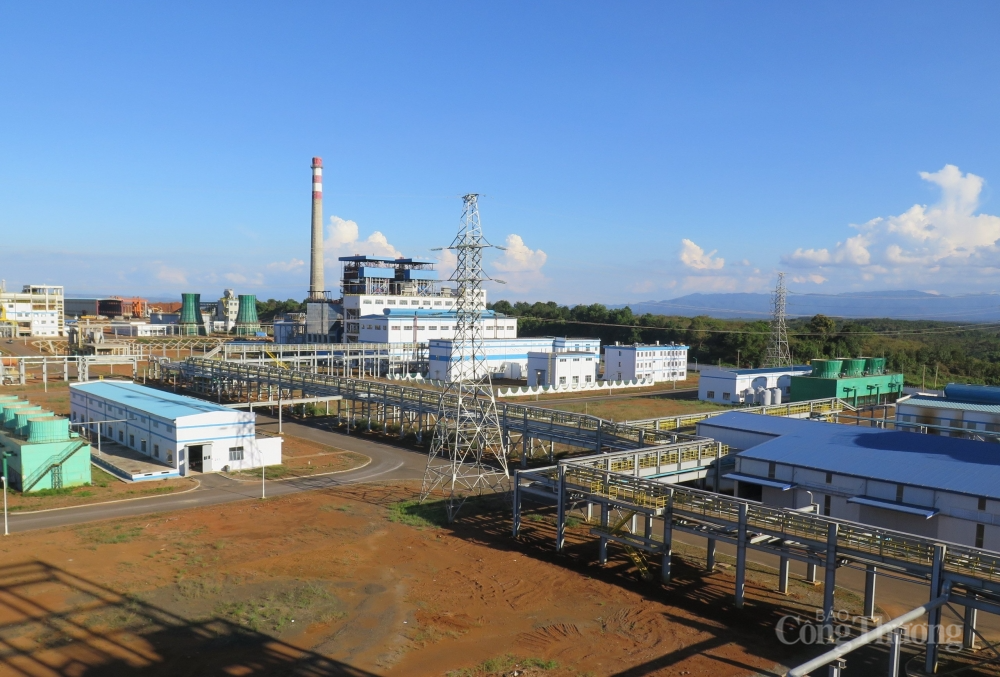
Nhà máy điện – hơi công nghệ của Dự án Alumin Nhân Cơ
Ở góc độ là một viện nghiên cứu đã có nhiều năm kinh nghiệm tư vấn chính đối với công nghiệp sản xuất alumin và đã từng thực hiện EPCM cho dự án bauxite Tân Rai và Nhân Cơ, đại diện Viện Nghiên cứu Cơ khí cho rằng, để Việt Nam có thể làm chủ công nghệ, thiết kế và xây dựng các dự án khai thác và chế biến bauxite, cần có các chính sách, giải pháp hỗ trợ của Chính phủ.
Cụ thể, Chính phủ cần ban hành chủ trương cho phép phát triển các dự án khai thác và chế biến bauxite trên cơ sở kết quả của hai Dự án thí điểm là Lâm Đồng và Nhân Cơ đã được đưa vào vận hành thương mại với kết quả tốt. Bên cạnh đó, yêu cầu các dự án đầu tư của các doanh nghiệp nhà nước phải lựa chọn các doanh nghiệp Việt Nam là nhà thầu chính trong các giai đoạn thực hiện đầu tư. Trong đó, có quy định tỷ lệ nội địa hóa cho trong nước thực hiện không dưới 60% giá trị đầu tư dự án.
Mặt khác, hỗ trợ các đơn vị trong nước tiếp cận, nhận chuyển giao công nghệ, thiết kế thiết bị chuyên ngành từ các nước có công nghệ nguồn cho những dự án đầu tư trong công nghiệp khai thác và chế biến bauxite; xây dựng và phê duyệt các dự án, đề tài khoa học công nghệ để triển khai công tác trong nước thực hiện thiết kế, chế tạo thiết bị chuyên ngành khai thác và chế biến bauxite; xây dựng và phê duyệt danh mục các hạng mục, thiết bị trong nước chế tạo, không khuyến khích nhập khẩu cho các dự án khai thác và chế biến bauxite.