

Home
Formulating a development strategy for Vietnam's mechanical engineering industry towards 2035
Featured News
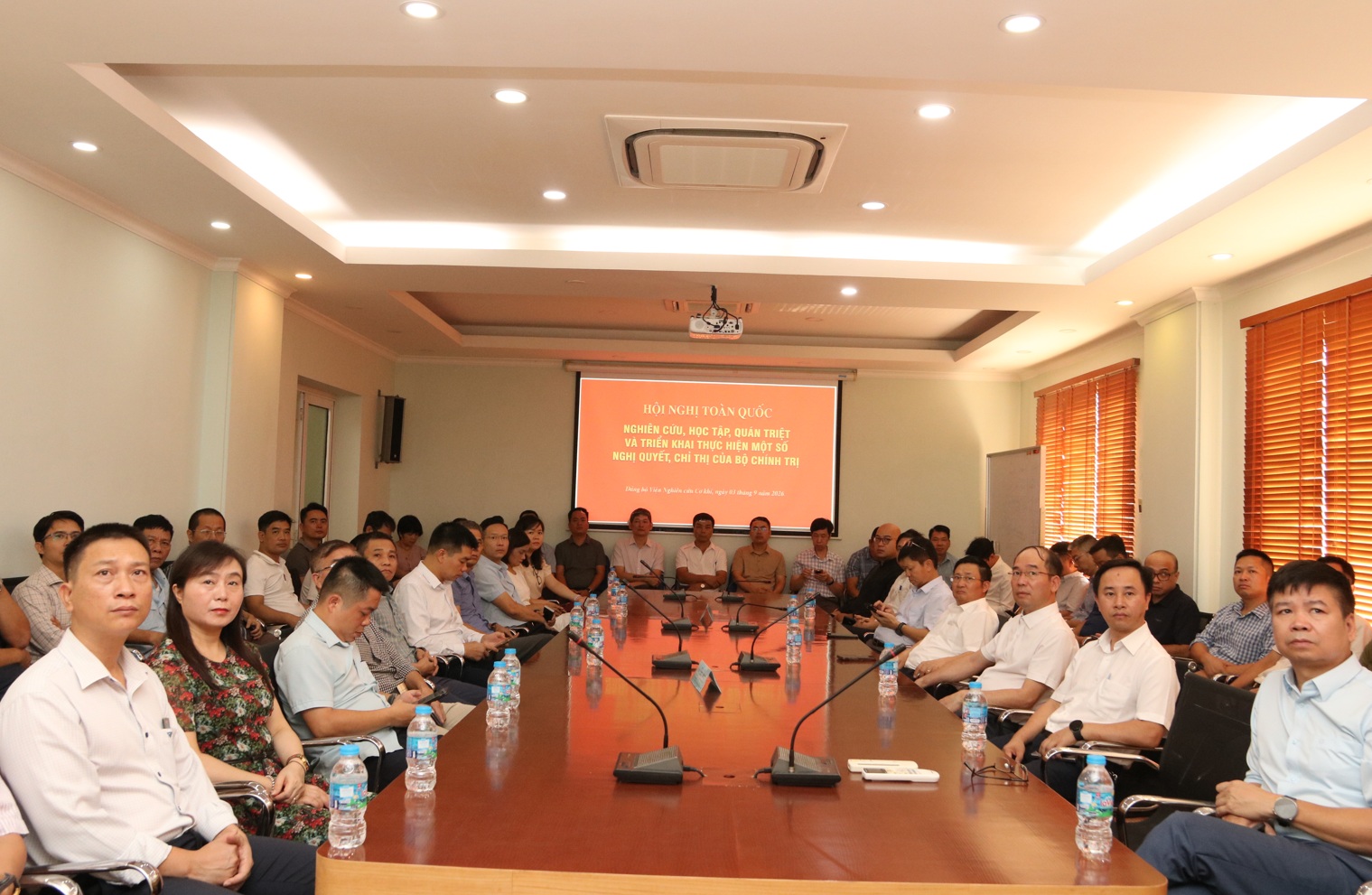
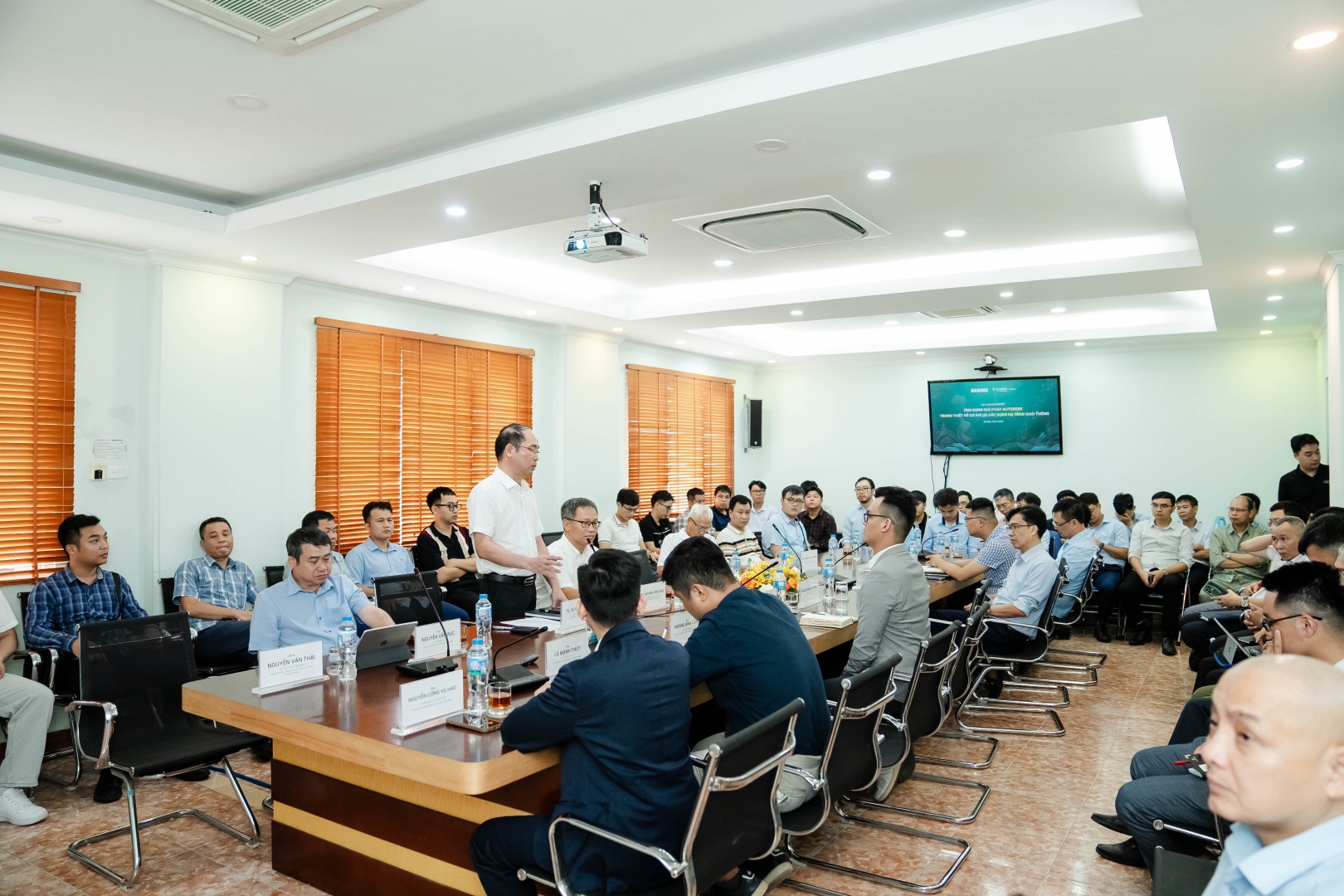

Formulating a development strategy for Vietnam's mechanical engineering industry towards 2035
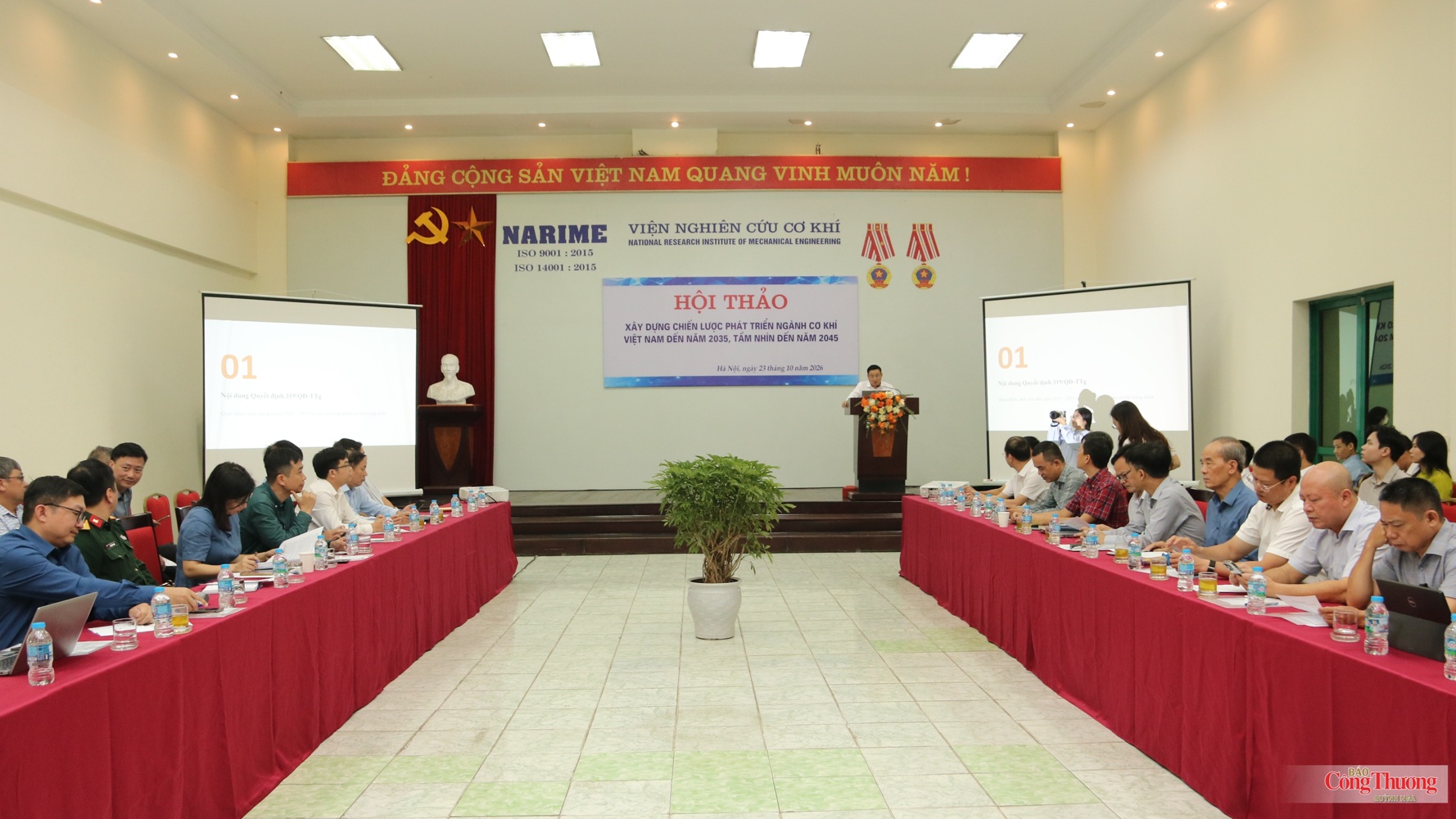
On the morning of October 23, the National Research Institute of Mechanical Engineering (Ministry of Industry and Trade) organized the Workshop on Developing Vietnam's Mechanical Engineering Industry Strategy to 2035, with a vision to 2045.
A foundational industry with an important role
Speaking at the workshop, Dr. Phan Dang Phong, Director of the National Research Institute of Mechanical Engineering (NARIME), stated that mechanical engineering is a foundational industry, providing machinery and equipment for economic sectors; it plays an important role in the productivity, competitiveness, and technological self-reliance of the country. Developing mechanical engineering is also a condition for large investment projects to create production capacity and a domestic workforce of enterprises and engineers.
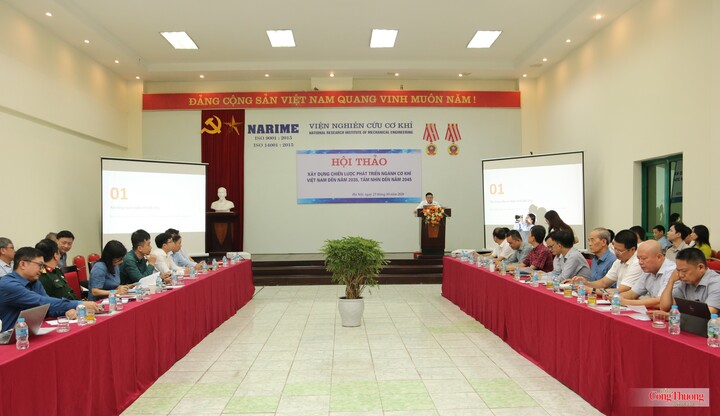
Workshop on Developing Vietnam's Mechanical Engineering Industry Strategy to 2035, with a vision to 2045
In recent times, Vietnam's mechanical engineering industry has made notable progress. Domestic enterprises have designed and manufactured various types of equipment and systems for hydropower, thermal power, cement, mineral mining and processing; and have gradually participated in the fields of oil and gas, automobiles, and production automation.
However, the industry's capacity has not yet met development requirements. In many projects, Vietnamese enterprises still mainly engage in subcontracting, manufacturing, and installation; the ability for overall design, system integration, and provision of complete equipment sets remains limited. The linkage between research and production is not close; many research results have not become commercial products, while the demand for machinery and equipment still heavily depends on imports.
Meanwhile, the investment demand for industries opens up a very large mechanical engineering market for Vietnam, forecast to reach about 825 billion USD by 2045. This is an opportunity to form and develop entirely new industrial capabilities domestically.
The challenge is to exploit this market effectively so that domestic enterprises can enhance their design, technology, and supply capabilities after each project. Therefore, the Strategy needs to clearly define: the key products to master, the implementing forces, investment resources, and mechanisms to link the market with endogenous capabilities.
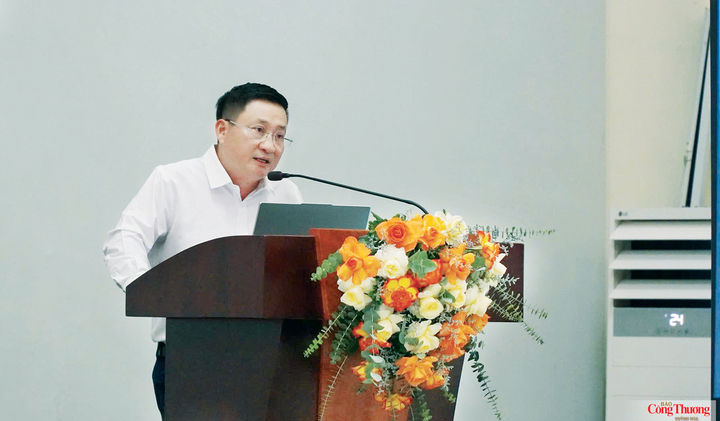
Dr. Phan Đăng Phong, Director of the National Research Institute of Mechanical Engineering (NARIME) delivered the opening remarks at the workshop
Also according to Dr. Phan Đăng Phong, the development of the Strategy is not only an internal requirement of the mechanical engineering sector alone, but also a direct concretization of the national industrial development policy in the new period. The Strategy is a long-term development orientation tool to translate the Party's major guidelines into specific objectives, tasks, solutions, and implementation mechanisms; thereby developing the mechanical engineering industry towards modernity, self-reliance, with capacity for design, manufacturing, system integration, and deeper participation in the value chains industrial domestic and international.
The development of the Vietnam Mechanical Engineering Industry Development Strategy for the period 2026-2045 is extremely necessary and urgent. “This strategy aims not only to develop a manufacturing sector, but also to build the material and technical foundation for industrialization, enhance industrial self-reliance capacity, effectively leverage the very large investment market of the country in the coming period, increase the localization rate, reduce dependence on equipment imports, improve the competitiveness of Vietnamese enterprises, and gradually make the mechanical engineering industry one of the pillars of the national industry” - Dr. Phan Đăng Phong emphasized.
Dr. Phan Đăng Phong suggested that the workshop focus on exchanging four contents: Accurately assessing the current situation and lessons from previous strategies and policies;selecting priority areas, products, and technologies; proposing mechanisms to link major investment projects with the process of mastering technology; ensuring implementation capability and evaluating results.
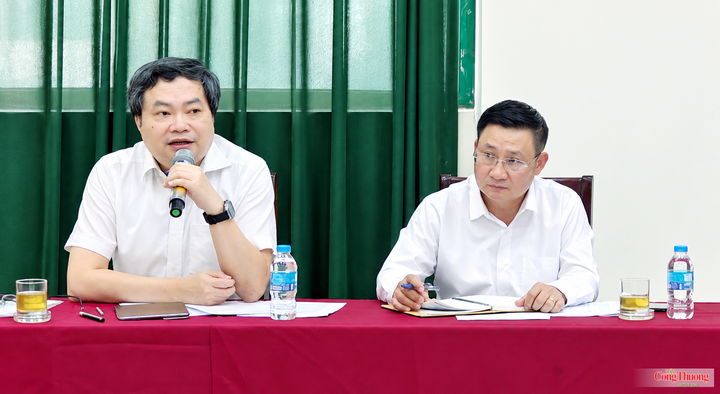
Mr. Trần Việt Hòa, Director of the Department of Industry, co-chaired the workshop
NARIME hopes to receive frank and specific opinions from the practical experience of management, research, production, and business. We especially hope that enterprises will clearly share the tasks they can undertake, the difficulties they are facing, and the necessary conditions for investment to enhance capacity. “The research team will seriously synthesize, receive, and explain opinions to complete the draft Strategy that is practical, focused, and feasible” - Dr. Phan Đăng Phong said.
Towards mastering design and core technology
Presenting a report on Evaluating the results of implementing Decision No. 319/QĐ TTg of the Prime Minister: Approving the Strategy for Development of Vietnam's Mechanical Engineering Industry to 2025, with a vision to 2035, Dr. Vũ Văn Khoa, Deputy Director of the National Research Institute of Mechanical Engineering, said that on March 15, 2018, the Prime Minister issued Decision No. 319/QĐ-TTg approving the Strategy for Development of Vietnam's Mechanical Engineering Industry to 2025, with a vision to 2035.
The Strategy sets the goal of developing the mechanical engineering industry with most sub-sectors having advanced technology, product quality meeting international standards, and the ability to deeply participate in the global value chain; while also focusing on developing a number of mechanical engineering sub-sectors and products with potential, advantages, and large market demand. The Decision also sets out groups of solutions on market development, science and technology, supporting industry, human resources, investment, credit, taxation, and international cooperation.
After more than 7 years of implementation, the deadline for achieving the main objectives to 2025 of Decision 319 has ended. The production scale of the industry has increased; the capacity to manufacture machinery, equipment, and spare parts has improved; some enterprises have participated in domestic and international supply chains. Notably, Vietnamese mechanical engineering enterprises have mastered the design, manufacturing, installation, and technical services for a number of systems serving the electricity, oil and gas, mineral mining and processing, cement, chemicals, agriculture, and transportation industries.
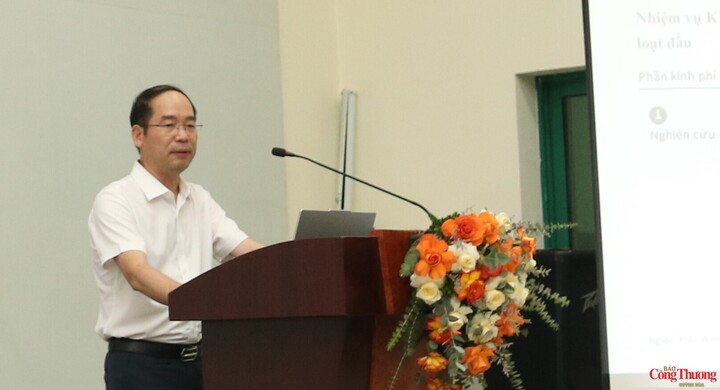
Dr. Vu Van Khoa, Deputy Director of the National Research Institute of Mechanical Engineering
However, the development results of the industry have not yet matched the potential and demand of the domestic market. The majority of mechanical enterprises are small and medium-sized, with limited financial resources, equipment and technology not yet synchronized, and research and development capacity still weak. The number of enterprises capable of independent overall design, core technology, system integration, and assuming the role of general contractor is still small. Many enterprises still mainly perform processing and manufacturing according to existing designs or provide products and components with low added value.
Dr. Vu Van Khoa believes that the economy still relies heavily on imported machinery, equipment, materials, and components. The linkage between domestic enterprises and foreign-invested enterprises is not close; the effectiveness of technology transfer remains limited.
The supporting industry has not yet formed a sufficiently strong domestic supplier system to simultaneously meet requirements for quality, cost, schedule, and international standards. The research, testing, inspection, and certification infrastructure for many mechanical products has not met the requirements for developing high-tech products and participating in large projects.
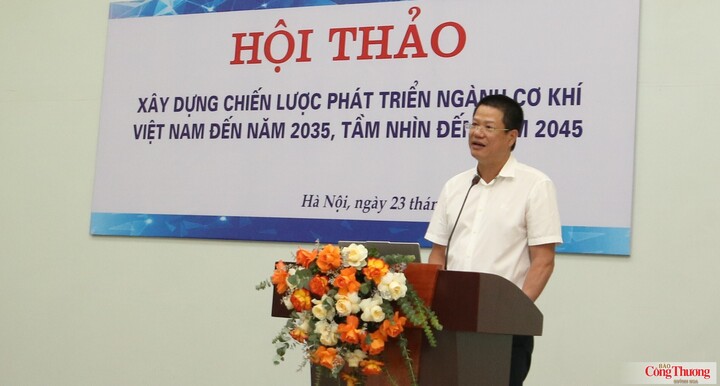
Mr. Nguyen Van Hung, General Director of LILAMA
The implementation of the Strategy still has some shortcomings. Some objectives of Decision 319 remain qualitative, not yet concretized through a system of indicators, calculation methods, and unified data sources. Tasks and solutions have not been fully linked to programs, projects, implementation resources, and output responsibilities of each agency. Policies on investment, credit, taxation, science and technology, market development, and bidding remain fragmented, not yet creating sufficient motivation for enterprises to make long-term investments in mechanical products requiring large capital, long payback periods, and high technological risks.
The new guidelines of the Party and the State show that the requirements for developing the mechanical engineering industry have fundamentally changed compared to the time of issuing Decision 319/QĐ-TTg. “The goal is no longer limited to expanding production scale or increasing localization rates, but must aim at mastering design, core technology, manufacturing of main equipment, system integration, developing new products, and forming mechanical engineering enterprises capable of leading the value chain. The mechanical engineering industry must become a direct force in transforming scientific, technological, and innovation results into productivity, products, revenue, export capacity, and real added value” - Dr. Vu Van Khoa emphasized.
Mr. Nguyen Van Hung, General Director of Vietnam Machinery Installation Corporation - Joint Stock Company (LILAMA), stated that the development goals for Vietnam's mechanical engineering sector in the coming period should not merely focus on increasing output or localization rates, but more importantly, must enhance the capacity to master technology, design, manufacturing, and especially the ability to organize the overall execution of major industrial projects. This is the prerequisite for Vietnamese enterprises to gradually transition from subcontractors to main contractors and EPC general contractors, thereby increasing the added value and position of the domestic mechanical engineering industry.
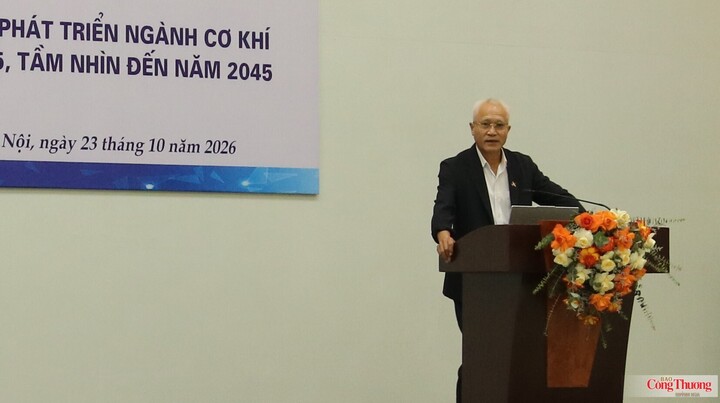
Assoc. Prof. Dr. Nguyen Chi Sang, Chairman of the Vietnam Association of Mechanical Enterprises (VAMI)
"We hope that the strategy for developing Vietnam's mechanical engineering sector to 2035, with a vision to 2045, will not only set targets for production scale and growth but also clearly define a roadmap for enhancing Vietnamese enterprises' self-reliance in technology, design, manufacturing, and EPC general contracting. That will be an important foundation for building a modern, competitive Vietnamese mechanical engineering sector that participates deeply in regional and international value chains, while making practical contributions to the country's goal of industrial self-reliance and sustainable development." - Mr. Nguyen Van Hung expressed.
At the workshop, Assoc. Prof., Dr. Nguyen Chi Sang, Chairman of the Vietnam Association of Mechanical Enterprises (VAMI), noted that after studying the report on formulating the Vietnam Mechanical Engineering Industry Development Strategy to 2035, with a vision to 2045, prepared by the National Research Institute of Mechanical Engineering, the Vietnam Association of Mechanical Enterprises basically agrees with the draft content.
The draft was meticulously developed, providing a relatively comprehensive identification of the current situation, priority sectors, policy constraints, and the requirements for developing design and manufacturing capabilities, mastering technology, and system integration. The Association highly appreciates the Draft's focus on lessons learned from the implementation of Decision No. 319/QĐ-TTg.
The draft is based on a review of Decision No. 319/QĐ-TTg and a relatively candid analysis of the gap between the growing production scale and the capacity to master design, technology, and added value of Vietnamese enterprises. The identification of limitations in implementation tools, the capacity to undertake general contracting, and the disproportionate role of domestic enterprises provides a practical basis for formulating new policies.
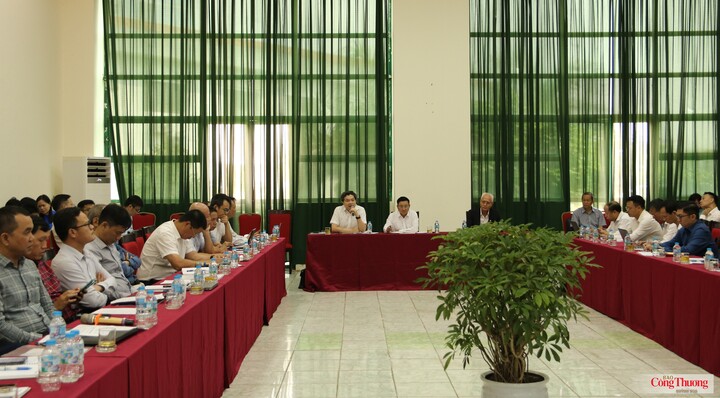
Delegates attending the workshop
In addition, the draft has a relatively appropriate approach in selecting focus based on market size and the ability to upgrade industrial capacity, rather than merely compiling a list of desired products. The sectors of railways, energy equipment, mineral processing, shipbuilding, and synchronous equipment systems are directly related to large investment programs about to be implemented, creating opportunities to turn investment demand into domestic production capacity.
Mr. Trần Việt Hòa, Director of the Industrial Agency (Ministry of Industry and Trade), stated that developing the mechanical engineering industry is one of the important tasks to enhance the self-reliance capacity of the industry and meet the demand for machinery and equipment for the economy. In the context of the country entering a new development phase, the formulation of the Vietnam Mechanical Engineering Development Strategy to 2035, with a vision to 2045, has practical significance for investment orientation, technology development, and resource mobilization.
Dr. Phan Đăng Phong, Director of the National Research Institute of Mechanical Engineering, affirmed that, in the context of Vietnam setting the goal of rapid and sustainable development and building an independent, self-reliant, and modern industry, the development of the mechanical engineering sector is no longer merely a requirement of a single sector, but a fundamental condition for enhancing the self-reliance capacity of the entire economy.
Source: Industry and Trade Newspaper
Related News


