

Home
News - Events Developing the management process and organizing the implementation of thermal power plant projects
Featured News


Developing the management process and organizing the implementation of thermal power plant projects
05/11/2020
The Department of Science and Technology (Ministry of Industry and Trade) recently held an acceptance meeting for the state-level project "Research, development of solutions, regulations and establishment of procedures for management and organization of implementation of thermal power plant projects under Mechanism 1791".
Lack of synchronized project management procedures
The project "Research, development of solutions, regulations and establishment of procedures for management and organization of implementation of thermal power plant projects under Mechanism 1791" is one of 12 tasks under the Science and Technology (S&T) project "Research, design, manufacture and commissioning of some auxiliary equipment systems for coal-fired thermal power plants with unit capacity up to about 600MW" supported by the Ministry of Industry and Trade for the National Research Institute of Mechanical Engineering (NARIME) to research.
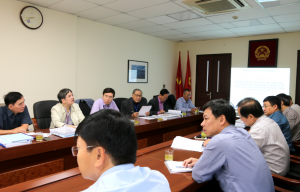
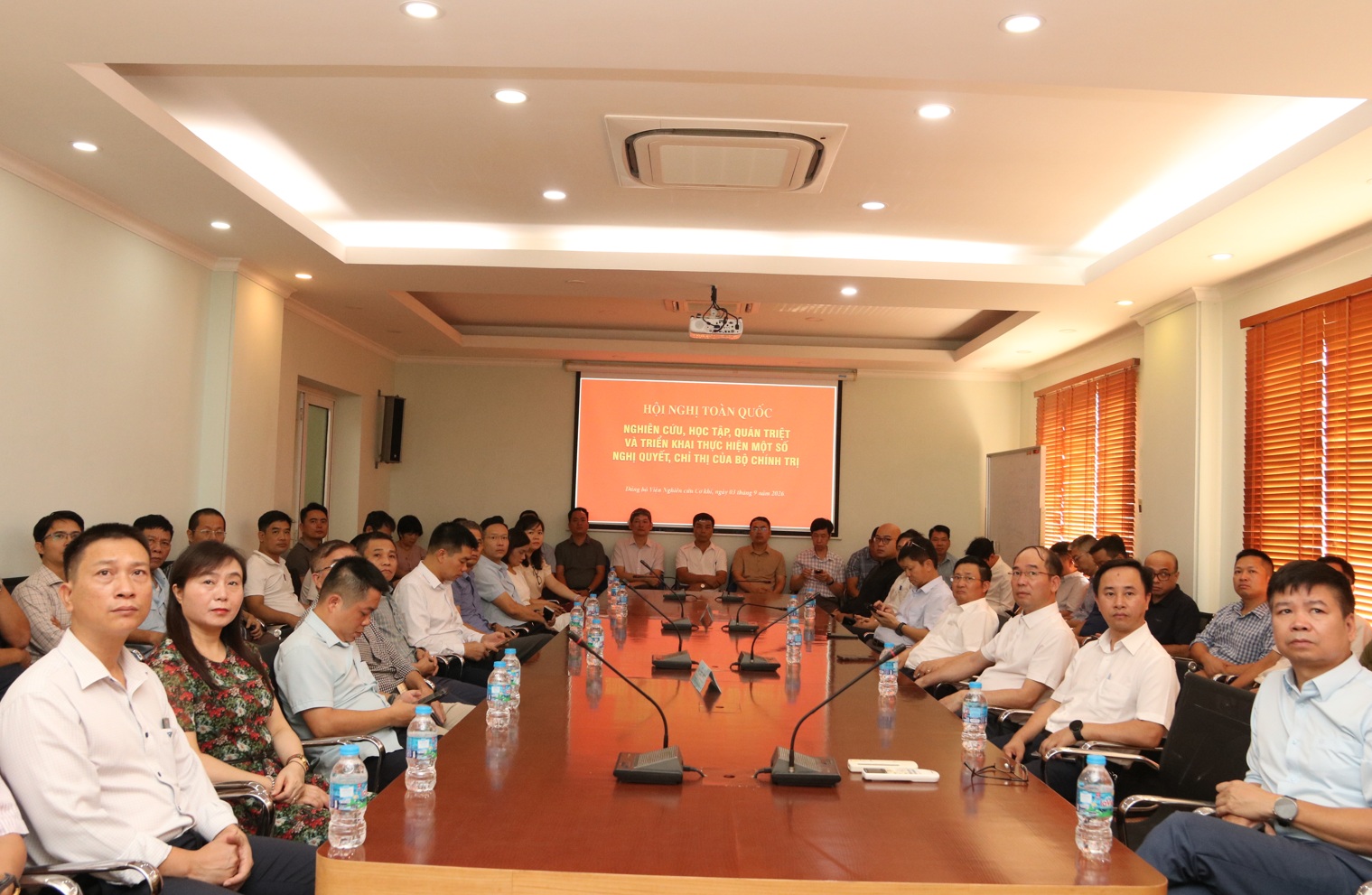
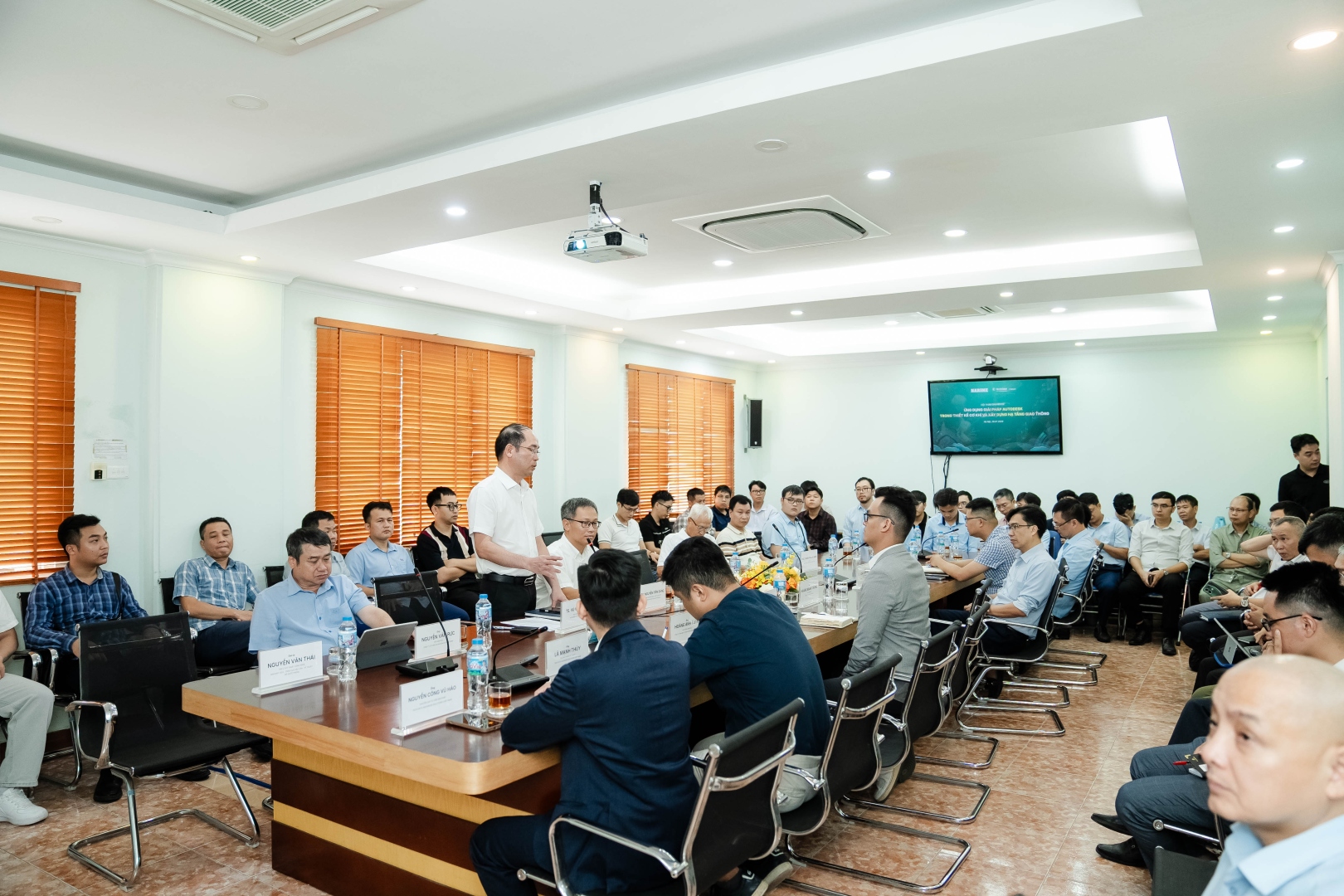
Acceptance meeting of the project "Research, development of solutions, regulations and establishment of procedures for management and organization of implementation of thermal power plant projects under Mechanism 1791"
The objective of the project is to build a database on the capacity of domestic mechanical enterprises for each item to be localized towards specialization; develop and propose specific mechanisms and policies to implement the contents under Decision No. 1791/QD-TTg (Decision 1791) of the Prime Minister approving the "Mechanism for pilot implementation of domestic design and manufacture of equipment for thermal power plants in the period 2012-2025"; develop a set of procedures for project management for the design and manufacture of thermal power equipment under Decision 1791.
At the project acceptance meeting, Master Le Xuan Quy – Project Leader – affirmed: This is a new project, meeting high requirements for specificity, for orientation of production organization in a cooperative development environment, which is a weakness of mechanical enterprises and is a project that creates a "pathway" connecting from technology transfer, technology decoding to production organization to create products. The project is closely linked with building a roadmap for localization of each equipment system item, serving as a basis for implementing similar projects.
In specific analysis, Master Le Xuan Quy said: In the country, there are many studies serving the development of strategic orientations for the mechanical engineering, foundry, automation industries, etc. However, the scope of these plans is quite broad, coupled with a lack of specific solutions and guidance, so most of these plans still face many difficulties when implemented for the items of thermal power plants.
In particular, there has been no specific research to guide application for thermal power plant projects. Currently, the database on production capacity of units is still lacking and unsynchronized. Capacity assessments are often general, lacking specific orientation for the purpose of consulting, designing and manufacturing thermal power plant equipment.
In addition, for thermal power plant equipment, some domestic mechanical enterprises have participated in manufacturing part of the equipment as subcontractors for foreign contractors, but design and manufacturing standards are entirely dependent on foreign contractors; there is a lack of linkage between enterprises to carry out work items of high value and high added value.
"Because they are only subcontractors in manufacturing thermal power equipment, project management still has many limitations, most enterprises do not have synchronized project management procedures. At the same time, there is no sanction mechanism to manage the localization process, some mechanical enterprises, when assigned projects by the Government for localization, instead import from abroad, not closely following the Government's direction," Master Le Xuan Quy emphasized.
Building a roadmap for design and manufacture of thermal power equipment
After 4 years of research, the project team has fully completed the quantity, variety, and quality of S&T products according to the approved project description. Specifically, based on summarizing lessons learned from implementing independent projects and S&T projects on rotary kiln cement, hydraulic structures, and jack-up rigs to build an organizational model, coordination mechanism, and effectively link the results of S&T projects and investment projects. At the same time, flexibly applying successful experiences from Japan, South Korea and China to build a production organization model from project management to manufacturing and complete installation of synchronous equipment lines for thermal power plants.
Accordingly, the outstanding products can be used by management agencies and enterprises: Roadmap for domestic design and manufacture of each item under Decision 1791 and roadmap for investment to enhance enterprise capacity, gradually increasing the localization rate to achieve the goals of Decision 1791. The set of regulations for organization and coordination in implementing domestic design and manufacture items, proposing implementation organization and scientifically coordinating the participation of units; database on capacity of domestic mechanical enterprises for 11 localization items towards specialization; set of procedures for project management, implementing design and manufacture of 11 domestic design and manufacture items.
Sharing about the economic efficiency of the project, Master Le Xuan Quy said: Managers and enterprises can utilize/apply the database compiled by the project into practice, saving time and costs for surveying, evaluating, and selecting contractors; enterprises can apply the project management procedure set for implementing auxiliary equipment items of thermal power plants into their unit's operations, saving time in self-building procedures, while minimizing errors during project implementation. In addition, managers and policy makers can utilize the policy mechanisms compiled and edited by the project team to improve policy mechanisms applicable to related socio-economic fields.
According to the assessment of the project acceptance council, although time was limited, the volume of research, synthesis, and analysis was very large, domestic documents and studies were insufficient, and compiling materials faced many difficulties, the project team and the host institution made efforts to complete the S&T task. The research results of the project can be applied and transferred to units undertaking the localization of auxiliary equipment systems of domestic thermal power plants.
The project's products provide managers and enterprises with valuable information for management activities, policy planning, investment orientation and the enterprises' own management activities.
Related News
- Discuss solutions to promote foundational industries in the new period
- Research results on the application of robots in a detergent powder manufacturing plant
- Specific mechanisms and policies are needed to develop mechanical engineering products with large market capacity in the period 2026-2045.
- Mastering Heat Exchange Equipment: A New Step Forward for Vietnam's Mechanical Engineering Industry


