

Home
News - Events News and Activities Position the National Research Institute of Mechanical Engineering as the "core" of innovation.
Featured News
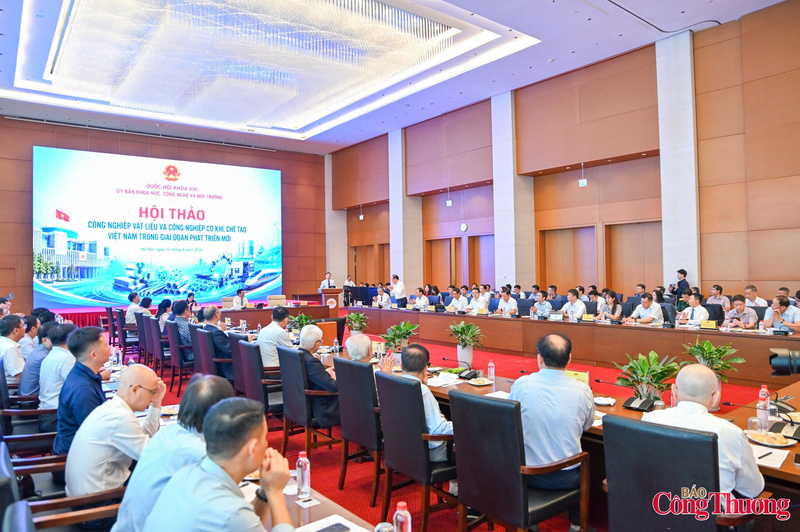
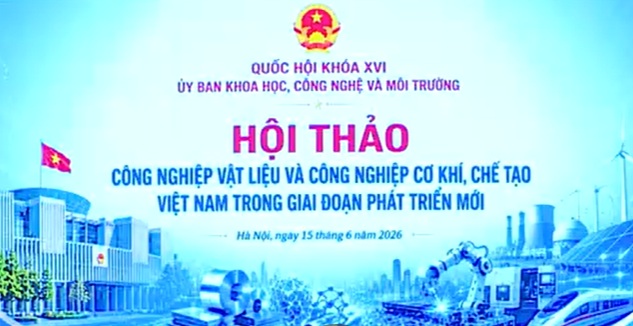

Position the National Research Institute of Mechanical Engineering as the "core" of innovation.
By 2035, the National Research Institute of Mechanical Engineering will be the core of the sector’s innovation ecosystem, with sufficient capacity to master core technologies and manufacture synchronized, complex equipment systems.
Mastering technology in many fields
In recent years, the scientific research, technology, and innovation activities of the National Research Institute of Mechanical Engineering (NARIME) have always been linked to national key programs and have achieved a number of accomplishments.
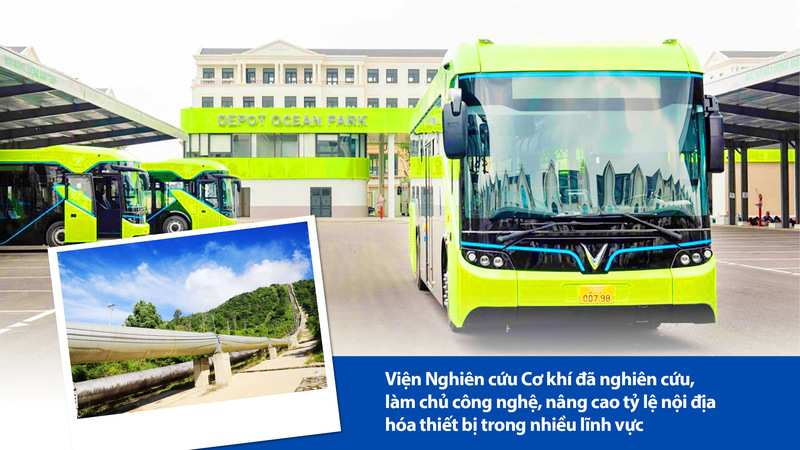
For example: the hydraulic mechanical engineering program contributed to reducing product costs, capturing the market with revenue of about VND 8,000 billion, creating a large number of jobs for units in the Vietnamese manufacturing and installation sector; helping put the Son La Hydropower Plant into operation 3 years early and the Lai Chau Plant about 1 year early, and helping limit foreign currency payments abroad.
The Institute also contributed to the development of BOP (Balance of Plant) products such as: AHS (Ash & Slag Handling System), CHS (Coal Handling System), ESP (Electrostatic Precipitator) for coal-fired thermal power plants.
Consequently, this contributed to reducing investment costs, reducing foreign currency outflows, and creating many jobs for manufacturing and installation units. Currently, these systems have achieved up to 80% localization by weight.
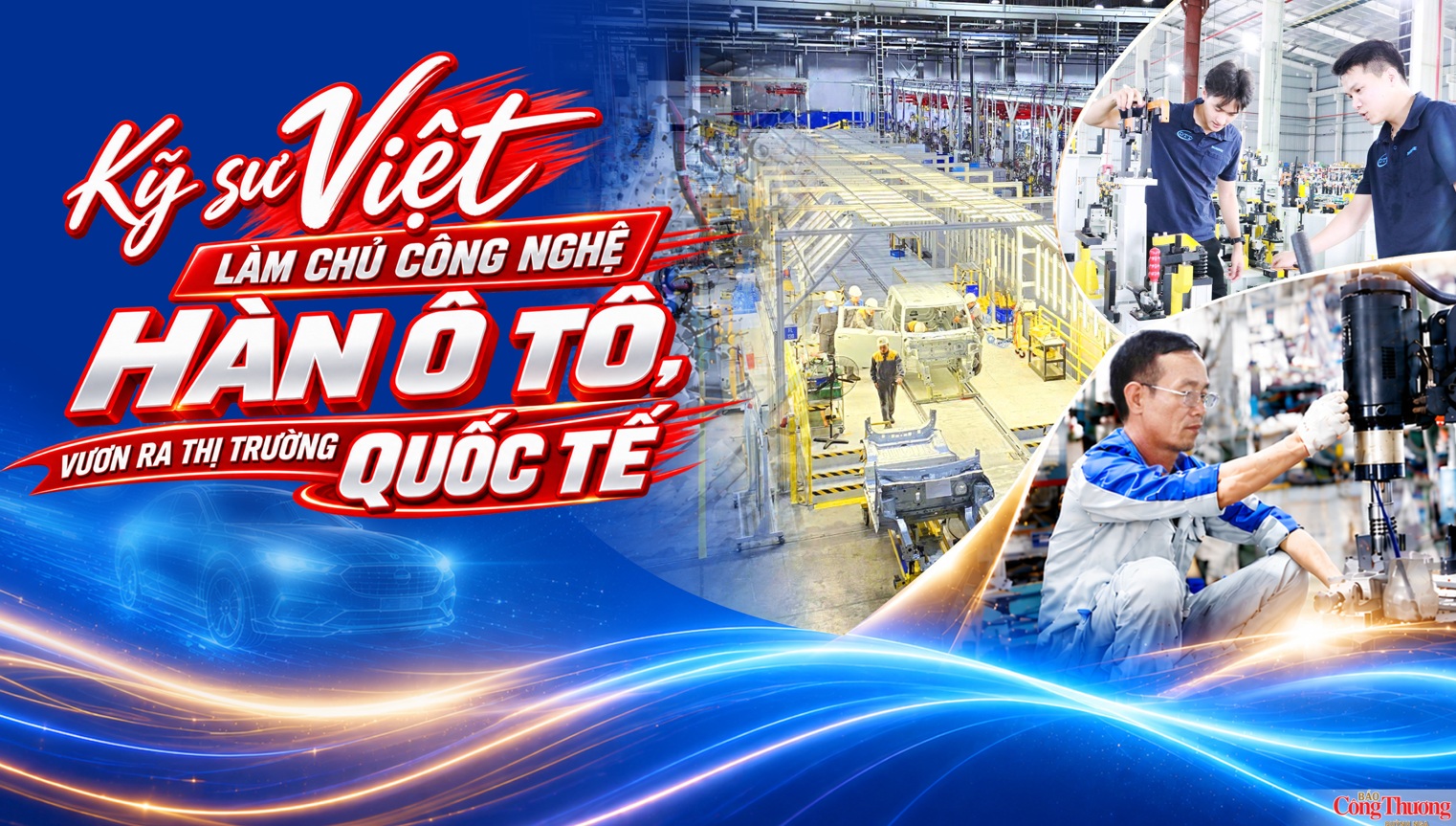
In addition, the Institute has mastered the technology of design, fabrication and supply of welding JIG systems for brands such as: BMW, Honda, Toyota, Hyundai, Ford, Vinfast... Notably, it contributed to Vinfast's rapid launch of the E-BUS, VFe34, VF8, VF9, VF5, VF6, VF7, VF3, LIMO7 electric vehicle lines.
Furthermore, mastering FS (Feasibility Study) design and project management for the bauxite mining sector contributed to building plants with reasonable costs and high quality; as well as facilitating plant expansion and post-construction operation.
Specifically, the Lam Dong alumina plant with 650,000 tons/year; the Nhan Co alumina plant with 650,000 tons/year; the pre-feasibility study report for the Lam Dong aluminum smelter with 300,000 tons/year, the Kon Ha Nung bauxite processing project with 1,000,000 tons/year...
The Institute also mastered the design, manufacturing technology and supply of floating pontoons for floating solar power projects on lakes and supplied all floating pontoons for the Da Mi project with an installed capacity of 47.5 MWp. At the same time, together with foreign partners, it mastered the technology and supplied waste heat recovery systems for power generation for the cement and steel industries, contributing to reducing CO2 emissions for those plants.
In addition, mastering the design, fabrication and supply of smart warehouse systems for industrial machinery contributed to increasing labor productivity (e.g., at the LIX factory, productivity increased by about 25%), reducing foreign currency outflows; mastering the design and fabrication of many spare parts for imported goods for industries such as cement, thermal power, chemicals, contributing to reducing foreign currency payments abroad and ensuring proactive production for factories.
A chain of tasks under priority programs
Decision No. 3502/QD-BCT of the Ministry of Industry and Trade approving the Development Strategy of the National Research Institute of Mechanical Engineering to 2035, with a vision to 2050, sets the goal of building the National Research Institute of Mechanical Engineering into a leading science and technology research and deployment organization in Vietnam, with regional and international prestige in the field of mechanical engineering and automation.
The Institute is the core of the sector's innovation ecosystem, with sufficient capacity to master core technologies, design, manufacture and act as EPC/EPCM general contractor for synchronous, complex equipment systems, while also being a reliable strategic advisor to the Party, the Government and the Ministry of Industry and Trade on national industrial development policies.
Accordingly, regarding scientific research, technology transfer, and innovation, Decision No. 3502/QD-BCT clearly states the tasks: implementing application-oriented basic research to master multi-disciplinary technologies, creating a foundation for the development of strategic products, including: materials science (composite materials, special alloys, wear-resistant and high-temperature materials); dynamics and control of complex systems; new-generation welding and surface treatment technologies; multi-physics simulation and optimization technology.
Investing in foundational science and technology research topics as a basis for mastering the technology of complete equipment lines in the fields of energy, railways, equipment for river and sea ports, new materials, mineral mining and processing, robotics, and production process automation lines.
Building an innovation ecosystem and commercializing research results: Transforming the R&D operating model from passive to proactive, through close cooperation with enterprises to solve practical technological problems. Building professional procedures and mechanisms to support the establishment of enterprises from the Institute's research results, creating an effective technology commercialization channel and adding value for the Institute as well as scientists.
Developing artificial intelligence and big data analytics capabilities: applying artificial intelligence to optimize technological processes, diagnose and predict equipment failures, develop autonomous industrial robot systems and intelligent control systems.
To ensure the success of the set goals, in the coming years, the Institute will focus on building topics and research directions in science and technology into a chain of tasks under the following priority programs:
First, the research and development program for complete equipment related to the thermal power sector. Focus on building mechanisms, policies, and solutions to deploy the mastery of technology for coal-fired thermal power, gas power plants, and the program to upgrade and renovate old thermal power plants in accordance with new environmental conditions.
Second, the research and development program for complete equipment related to the material production sector. Focus on building mechanisms, policies, and solutions to deploy the mastery of technology for equipment in cement plants, waste heat power generation systems in cement plants, and warehouse equipment in cement plants.
Third, the research and development program for complete equipment related to the nuclear power, new energy, and renewable energy sectors. Focus on building mechanisms, policies, and solutions to deploy the mastery of technology and operation, maintenance of equipment in nuclear power plants, solar power, wind power, and waste-to-energy plants.
Fourth, the research and development program for complete equipment related to the bauxite mining and processing sector. Focus on building mechanisms, policies, and solutions to deploy the mastery of technology for equipment in mineral mining and processing plants.
Fifth, the research and development program for complete equipment related to the field of Industry 4.0 equipment and digital transformation, including: smart factories and production lines, robots and automated warehouses, and automatic equipment systems for industrial works.
Sixth, the materials research and development program: research, design and manufacture of advanced materials such as composites, light alloys, and rare earths to meet the needs in key sectors such as renewable energy (wind turbine blades, offshore structures), aviation - railway - electric automotive industry (lightweight, durable, energy-saving structures), nuclear power equipment and high technology.
In addition, domestic and international cooperation programs and tasks, training programs and projects to improve the quality of human resources will be developed and implemented according to specific stages to meet the work situation of the Institute as well as domestic enterprises.
Decision No. 3502/QD-BCT clearly states: develop the National Research Institute of Mechanical Engineering into the leading scientific research and technology deployment unit in the field of mechanical engineering - automation, associated with the cause of national industrialization and modernization.
Source: Cong Thuong Newspaper
Related News
- Discuss solutions to promote foundational industries in the new period
- Research results on the application of robots in a detergent powder manufacturing plant
- Specific mechanisms and policies are needed to develop mechanical engineering products with large market capacity in the period 2026-2045.
- Mastering Heat Exchange Equipment: A New Step Forward for Vietnam's Mechanical Engineering Industry


