

Home
Development cooperation Domestic cooperation Contract Signing Ceremony for Supply and Installation of Hydro-Mechanical Equipment for the Da Nhim Hydropower Expansion Project
Featured News

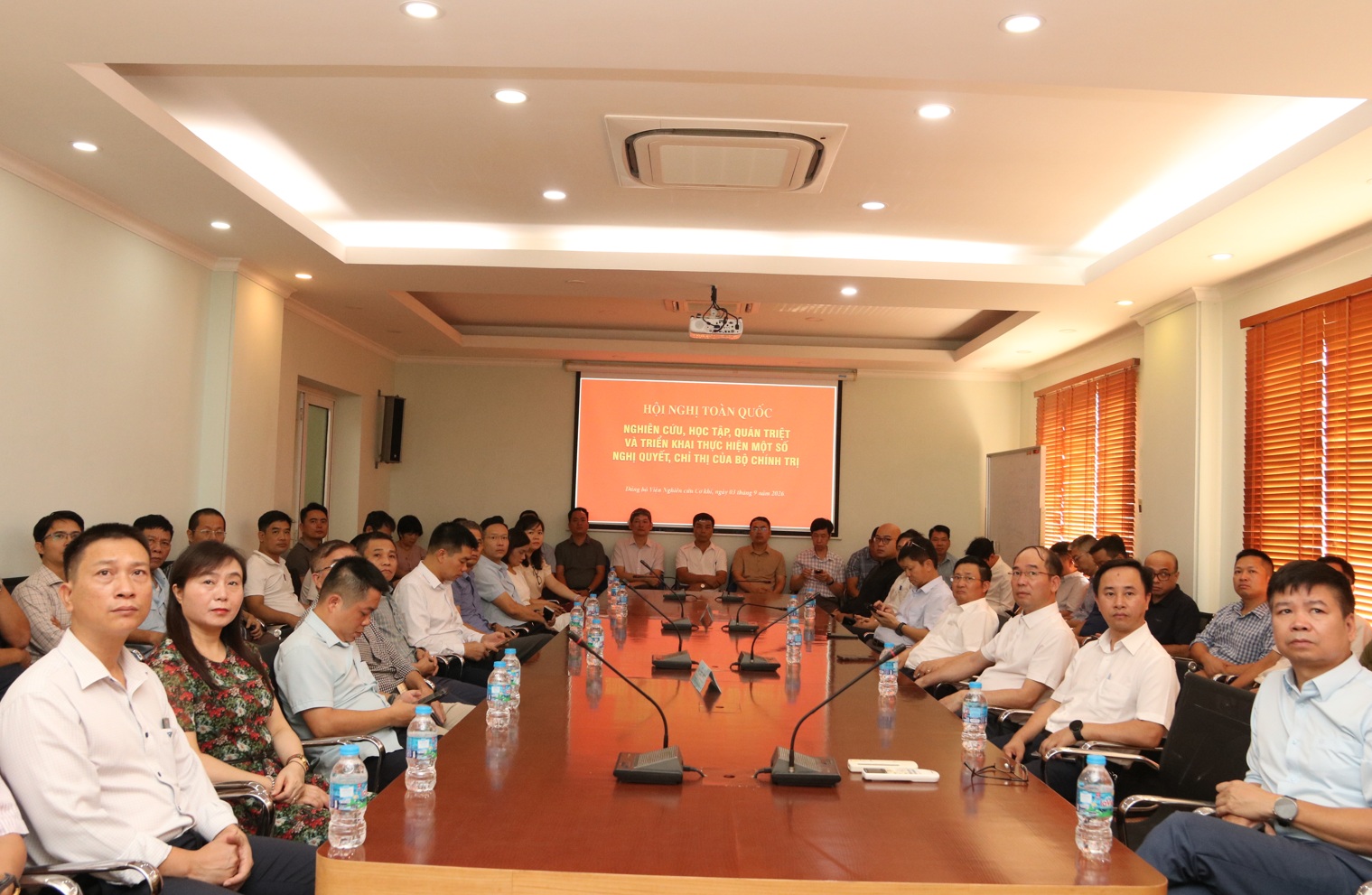
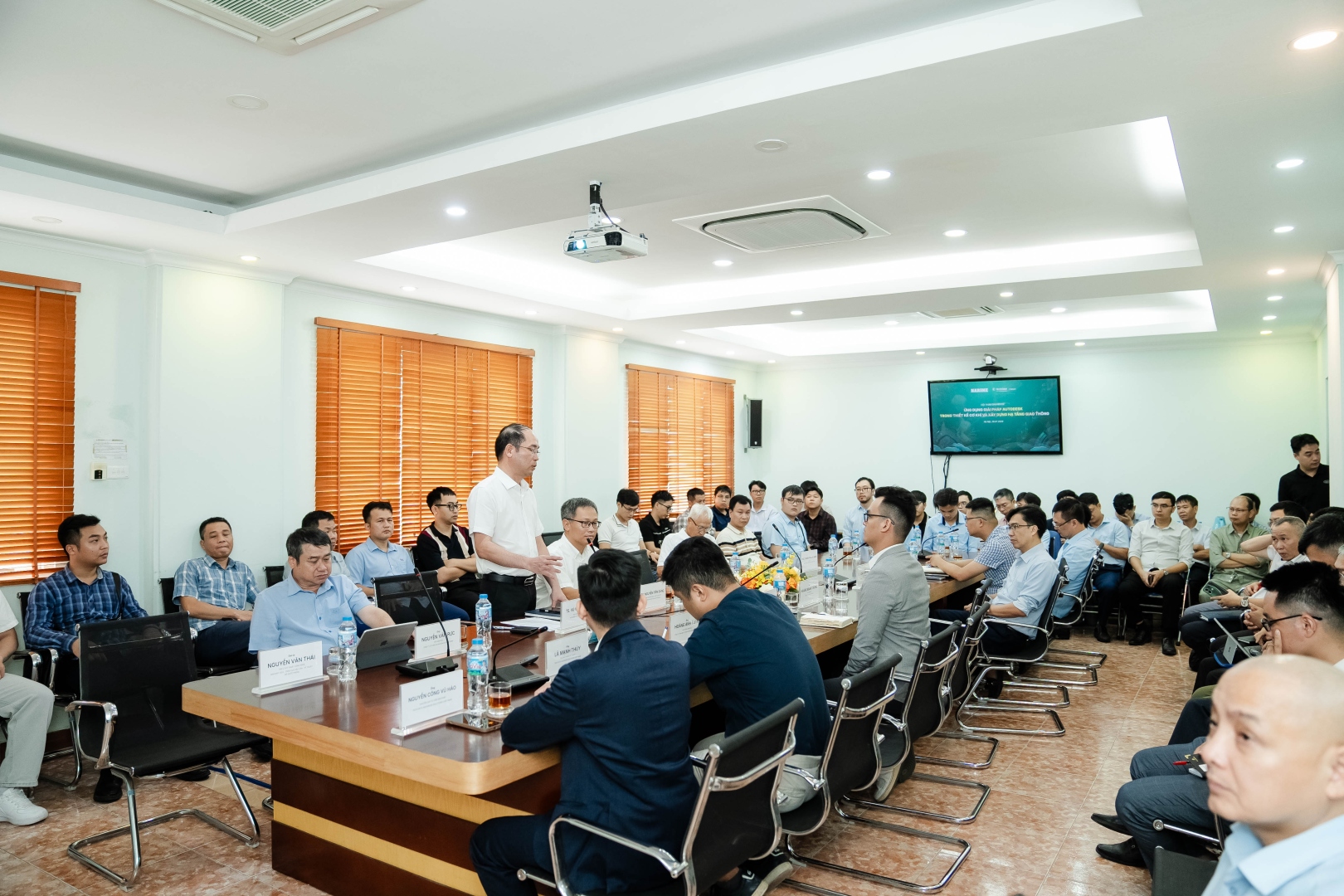

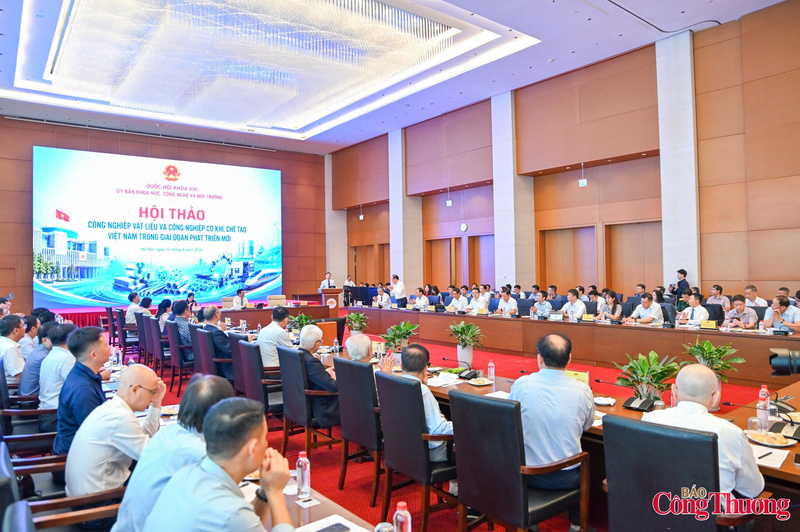


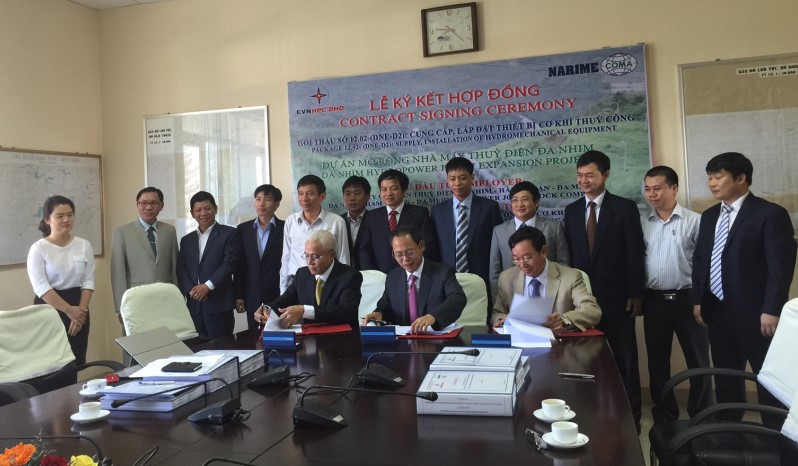
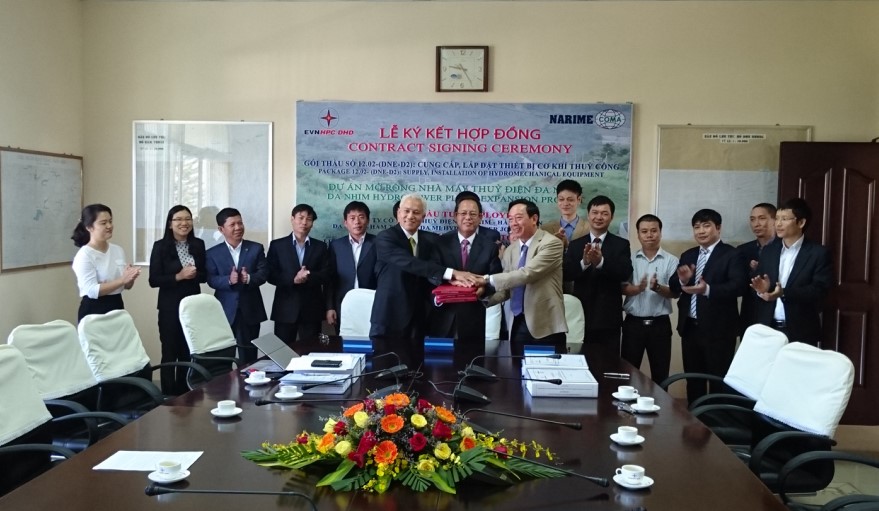
Contract Signing Ceremony for Supply and Installation of Hydro-Mechanical Equipment for the Da Nhim Hydropower Expansion Project
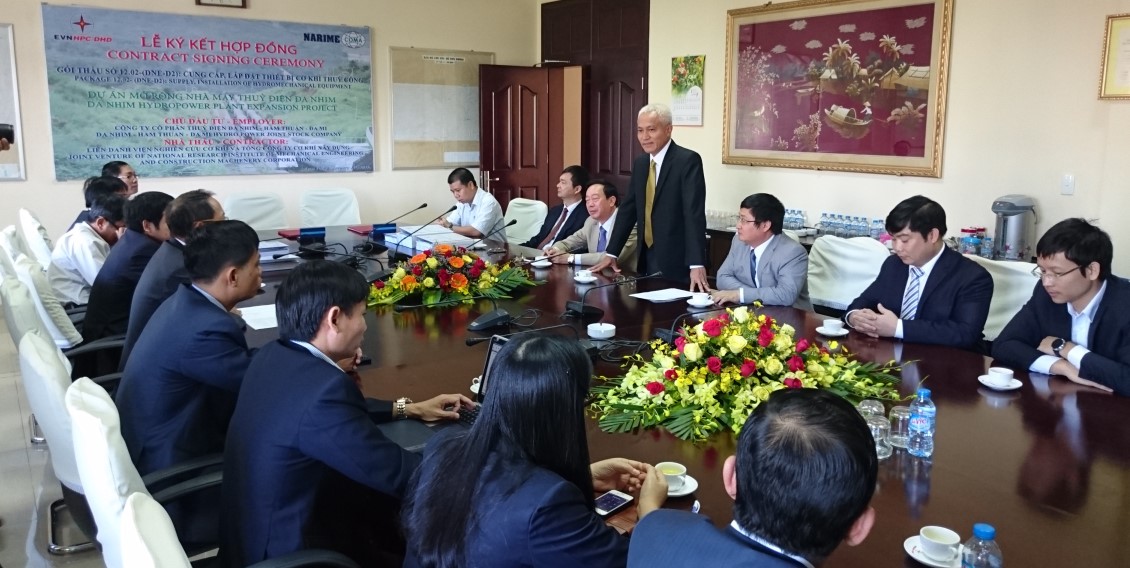
On January 15, 2016, at the headquarters of Da Nhim - Ham Thuan - Da Mi Hydropower Joint Stock Company (DHD), Da Nhim - Ham Thuan - Da Mi Hydropower Joint Stock Company and the joint venture of the National Research Institute of Mechanical Engineering (NARIME) and Vietnam Construction Mechanical Corporation (COMA) signed a contract for Package 12.2 – (DN2-D2) on the supply and installation of hydro-mechanical equipment, under the Da Nhim Hydropower Plant Expansion Project. In which, the National Research Institute of Mechanical Engineering, as the leading member of the joint venture, is responsible for the calculation, design of the entire system, and the fabrication of part of the equipment.
The total contract execution period is 26 months. It is expected that all hydro-mechanical equipment will be handed over to the Investor by July 2017.
This is a technically complex package involving a penstock with a water head of over 800 meters and a pipeline length of over 2.7 km. Notably, the penstock of this contract will be constructed adjacent to two existing pipelines of the operating plant in a complex terrain, requiring absolute safety during implementation.
The project for the supply and installation of hydro-mechanical equipment, under the Da Nhim Hydropower Plant Expansion Project, is one of five typical hydro-mechanical projects in which the National Research Institute of Mechanical Engineering participated in open bidding and won (including two projects using Japanese ODA loans). This marks a success in mastering the design and manufacturing of hydropower equipment in accordance with Official Dispatch No. 797/CP-CN dated June 7, 2003, of the Prime Minister on issuing mechanisms for hydropower projects commencing construction in 2003-2004.
Some information about the Da Nhim Hydropower Plant Expansion Project:
The Da Nhim Hydropower Plant Expansion Project involves the installation of 01 new unit with a rated capacity of 80 MW (the existing plant, built in 1960, comprises 4 units with a total rated capacity of 4x40 MW). Upon completion, it will increase the total capacity of the Da Nhim Plant from 160 MW to 240 MW. New construction items of the Da Nhim Hydropower Plant Expansion Project include: Intake structure; pressure tunnel, surge tank, valve chamber, penstock, powerhouse (using the existing common reservoir, diversion dam, spillway, and tailrace channel). The total land area of the project is 31.25 hectares. The project does not require resettlement. The total investment capital of the project is approximately VND 1,952 billion.
The Da Nhim Hydropower Plant Expansion Project uses loans from the Official Development Assistance (ODA) fund of the Japanese Government (85% of the total project investment) and counterpart funds from the investor (15%).
The project is invested by Da Nhim – Ham Thuan – Da Mi Hydropower Joint Stock Company. Upon completion and operation, the Da Nhim Hydropower Plant Expansion Project will supply electricity to the National Power System with a capacity of 80 MW, increasing the plant's average annual output by approximately 99 million kWh.
According to the schedule, the plant is expected to be completed and commence trial operation of the unit in Q1/2018, with commercial operation in Q2/2018. Fundamentally, the Da Nhim Hydropower Plant Expansion Project will shift the operating mode from base-load to mid-load and peak-shaving, contributing to increased stability for the National Power System and maintaining a stable water supply for agricultural production and domestic use for residents in the downstream area of the plant. Once operational, the plant will help ensure electricity supply for the Southern region, especially during the dry season and low-water years; reduce the amount of electricity that must be transmitted from the North to the South; reduce power losses; and increase the safety, stability, and economic efficiency of the system.
Some images from the contract signing ceremony
Editor: Department of Science-Technology
Related News
- PV Power and NARIME sign comprehensive cooperation agreement to promote localization of the mechanical engineering industry.
- Signing Ceremony of Contract Package No. 01: Provision of Design, Equipment, and Technical Services under the Investment Project for Construction of the Raw Material Warehouse
- Vietnam and Laos Sign Agreement to Build Cross-Border Coal Conveyor Belt
- National Research Institute of Mechanical Engineering: Promoting cooperation in research and development of dual-use technology


