


Focus on strategic technologies
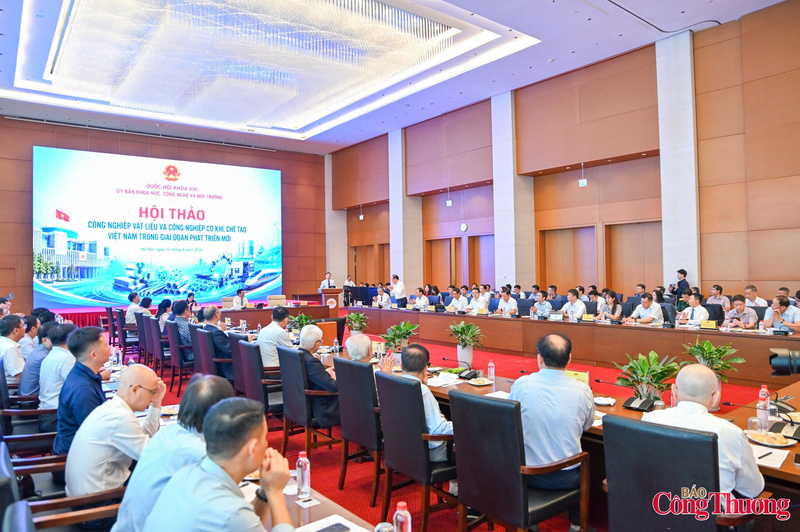
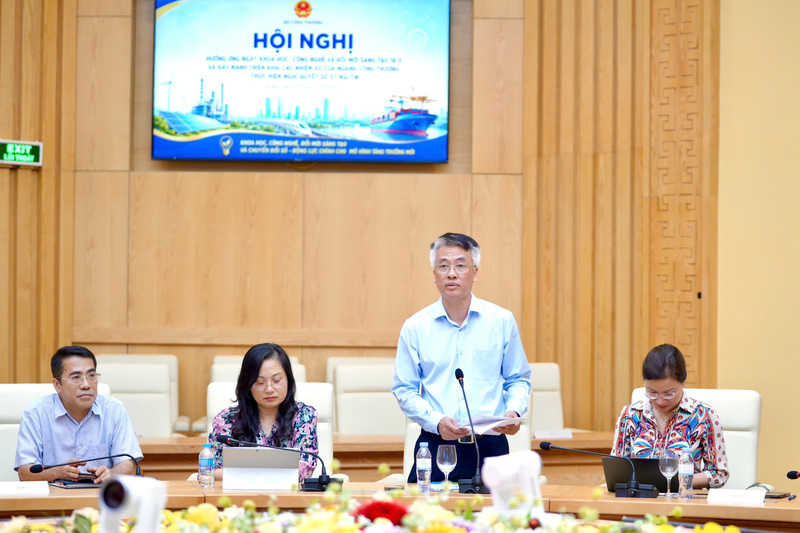
On the afternoon of May 18, the Ministry of Industry and Trade organized a conference in response to the Science, Technology and Innovation Day (May 18) and to accelerate the implementation of the sector's tasks under Resolution No. 57-NQ/TW. Deputy Minister of Industry and Trade Nguyen Sinh Nhat Tan chaired the conference. Attending the conference were representatives of departments and agencies under the Ministry of Industry and Trade; research institutes of the Industry and Trade sector; and universities under the Ministry.
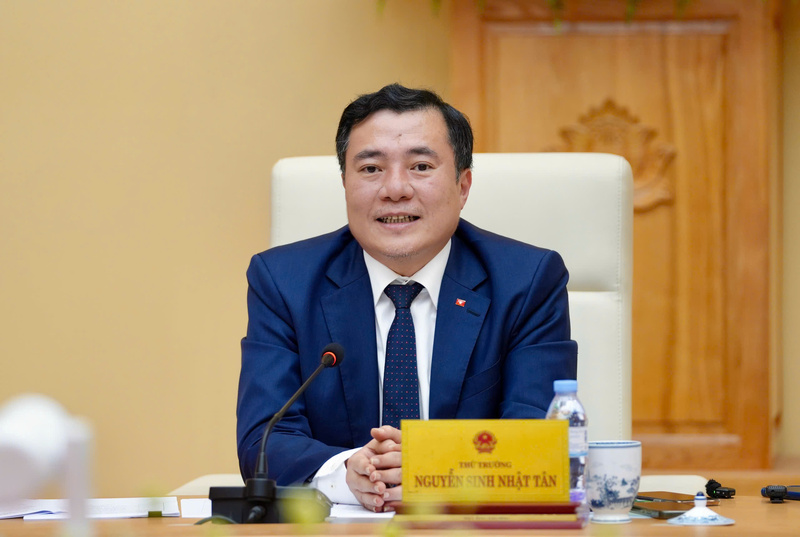
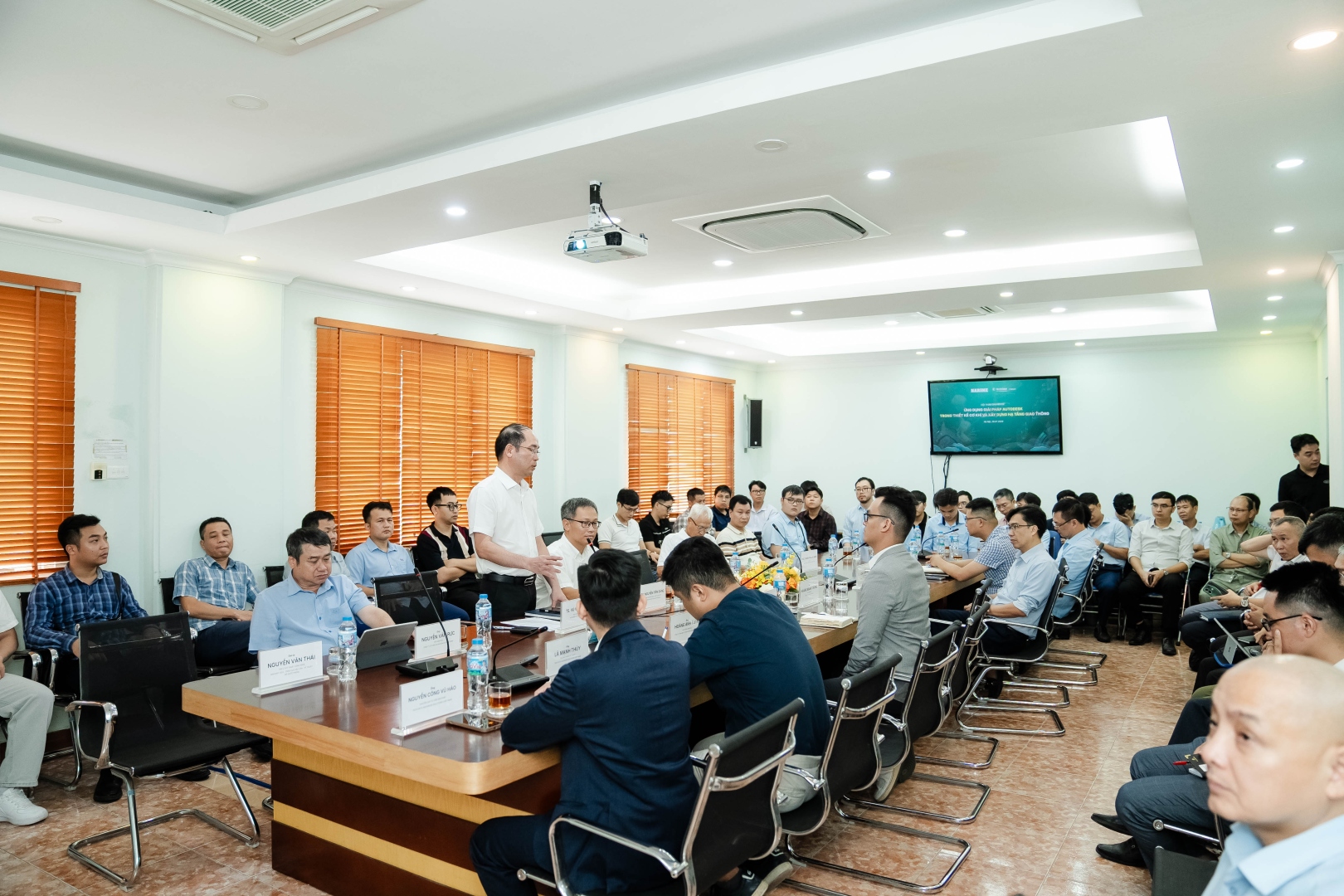
Deputy Minister of Industry and Trade Nguyen Sinh Nhat Tan speaks at the conference.
Reporting on the implementation of science, technology and innovation (STI) tasks under Resolution No. 57-NQ/TW at the Ministry of Industry and Trade, Ms. Nguyen Thi Lam Giang, Director of the Department of Innovation, Green Transition and Industrial Promotion (DIGT) said that the 2026 tasks of the Ministry of Industry and Trade include 138 tasks, including 69 tasks with deadlines and 69 regular tasks.
Of these, the main tasks for STI development include: Perfecting institutions, policies, standards and regulations; deploying strategic technologies and strategic technology products; selecting and implementing 3-5 large-scale tasks with specific outputs; promoting STI enterprises to upgrade technology and technology transfer; developing high-quality human resources; strengthening the State - school - enterprise linkage and cooperation with technology partners.
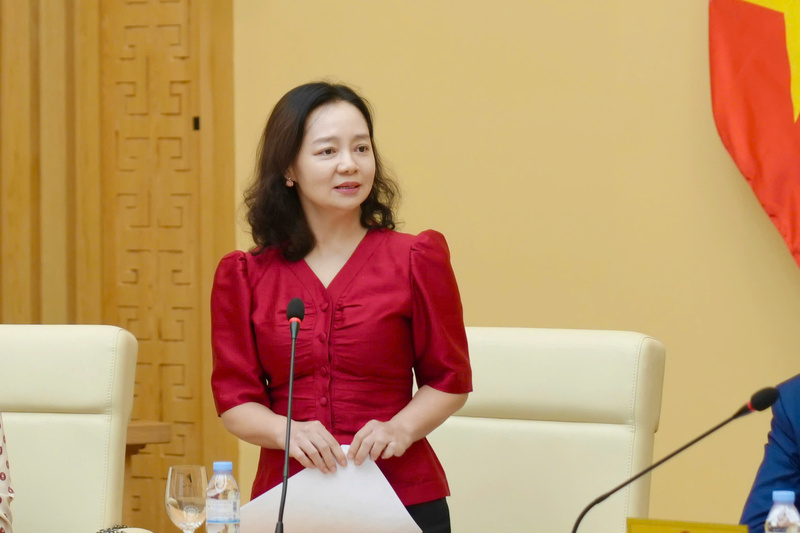
Ms. Nguyen Thi Lam Giang, Director of the Department of Innovation, Green Transition and Industrial Promotion reports at the conference.
Emphasizing that 2026 will focus on strategic technologies as well as the implementation of large-scale tasks, Ms. Nguyen Thi Lam Giang informed that the task of developing strategic technologies for the Industry and Trade sector has been adjusted from Decision No. 1131/QD-TTg to Decision No. 21/2026/QD-TTg. If Decision No. 1131/QD-TTg identified 11 strategic technologies, Decision No. 21/2026/QD-TTg identifies 10 strategic technologies, including: digital technology; next-generation mobile networks; robotics and automation; advanced biotechnology and biomedicine; energy technology and advanced materials; semiconductor chip technology; cybersecurity and quantum technology; ocean, sea and subsurface technology; aviation and space technology; high-speed railway and urban railway technology.
These strategic technologies are divided into two groups: the group of products that already have a market and directly impact economic development; and the group of products that create new growth drivers and foundational technologies for the future, contributing to ensuring self-reliance. Notable trends in Decision No. 21/2026/QD-TTg include: digitalization and AI; smart manufacturing, green energy; agriculture and biotechnology; mining - sea - oil and gas; modern infrastructure and transportation.
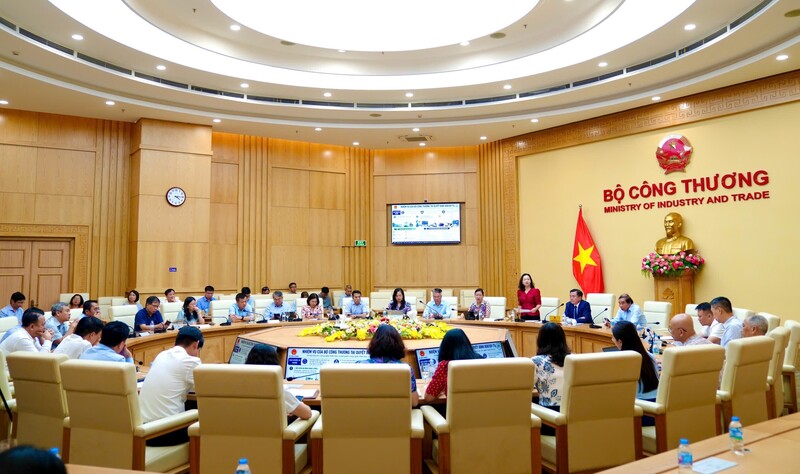
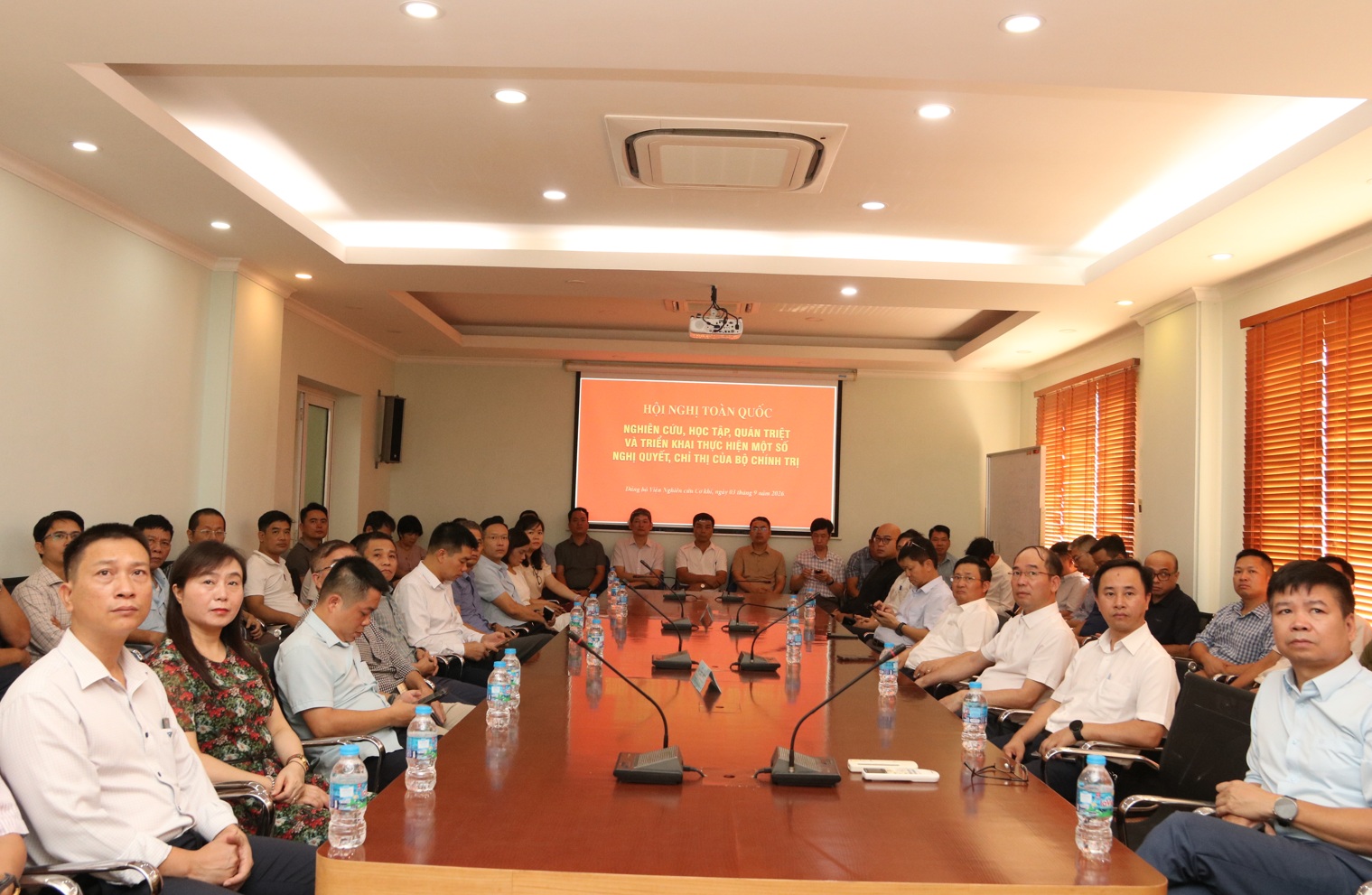
Conference in response to the Science, Technology and Innovation Day (May 18) and to accelerate the implementation of the Industry and Trade sector's tasks under Resolution No. 57-NQ/TW.
Regarding the tasks of the Ministry of Industry and Trade under Decision No. 808/QD-TTg, the Ministry will formulate tasks according to the List, clearly determine the output products and complete them before June 30, 2026; organize the implementation of tasks, diversify and effectively use resources, take responsibility for progress and output products; report to the Government Task Force, while proposing the handling of issues beyond its authority.
Ms. Nguyen Thi Lam Giang also said that the STI Program of the Ministry of Industry and Trade currently has 6 approved programs and 4 programs under development. The general orientation is to link with strategic technologies and strategic technology products; directly serve the development of priority sectors and fields; promote research, application and commercialization.
For the Program to support and promote smart manufacturing and digital transformation, there are 5 main tasks and solutions: perfecting mechanisms, standards, regulations, indicator sets and knowledge frameworks; raising awareness and capacity of leaders and digital workforce for enterprises; strengthening enterprise - institute/school - technology partner linkages; developing and applying technology and digital infrastructure; expanding international cooperation, connecting with advanced models and partners.
Deputy Director of the Department of Innovation, Green Transition and Industrial Promotion Nguyen Viet Tan.
The Program for developing a number of high-tech industries focuses on mastering core technologies, promoting the application and commercialization of high technologies, and forming competitive high-tech industries.
The Project on developing the bio-industry of the Industry and Trade sector by 2030 focuses on mastering biotechnology, developing bio-industrial enterprises and products linked to sustainable, circular, environmentally friendly value chains.
The Program on improving productivity and quality of industrial products takes enterprises as the center, linking productivity and quality improvement with technology innovation, production development, smart manufacturing and digital transformation.
The ministerial-level key science and technology program serving research and development of products along value chains in priority industries for the period 2021-2030 focuses on developing products along value chains, mastering core technologies and enhancing the position of Vietnam's industries.
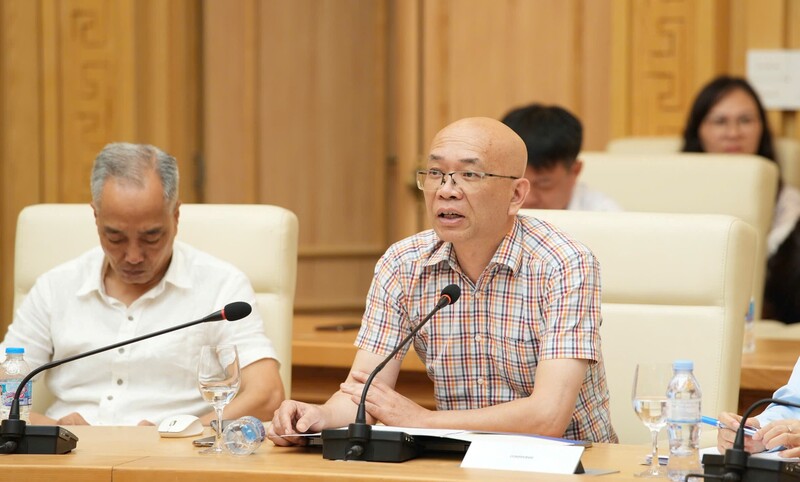
Mr. Tran Thanh Hai, Deputy Director of the Import-Export Department (Ministry of Industry and Trade) speaks.
Along with that, the task of developing TCVN and QCVN of the Industry and Trade sector focuses on accelerating the development, review and completion of the system of standards and regulations to serve state management, industrial production and market integration.
Driving force to enhance competitiveness
Speaking at the conference, Mr. Tran Thanh Hai, Deputy Director of the Import-Export Department (Ministry of Industry and Trade) shared that in implementing Resolution No. 57-NQ/TW, the Import-Export Department identifies this as an important opportunity to comprehensively innovate state management methods in the fields of import-export, logistics services, goods origin, border trade, and trade facilitation towards modernization, intelligence, and digitalization.
Based on its assigned functions and tasks, the Import-Export Department focuses on proposing a number of orientations, initiatives and key tasks: First, developing a national digital data infrastructure for import-export, border trade, logistics services and goods origin; second, promoting the deployment of strategic technologies in import-export management, border trade, logistics services and goods origin; third, building a national digital logistics coordination platform; fourth, accelerating digital transformation and trade facilitation at border gate areas; fifth, developing digital human resources and innovation in the Industry and Trade sector.
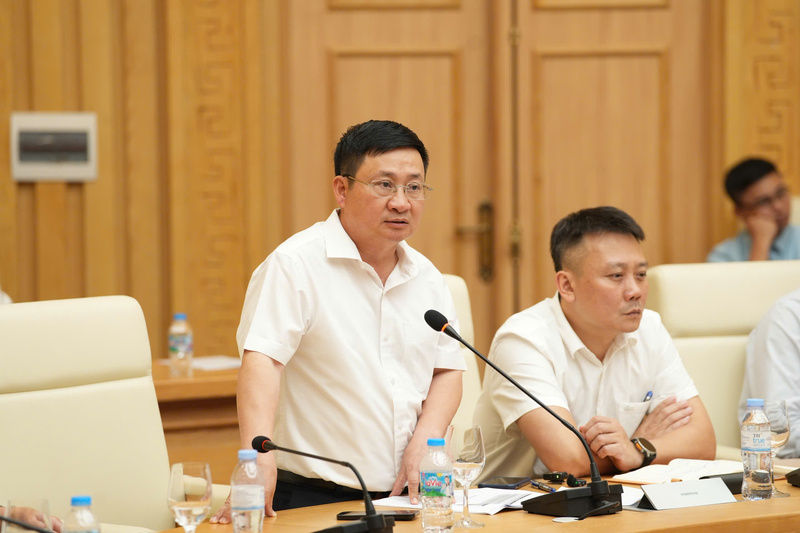
Dr. Phan Dang Phong, Director of the National Research Institute of Mechanical Engineering.
In the context of strategic competition, digital transformation and green transition taking place strongly globally, promoting the development of science, technology, innovation, and deploying strategic technologies in the fields of import-export, logistics and trade facilitation is not only an urgent requirement but also an important driving force to enhance national competitiveness, develop the digital economy and ensure sustainable international economic integration.
"The Import-Export Department will continue to closely coordinate with units within the Ministry, ministries, sectors, localities, associations and the business community to effectively implement the assigned tasks in the spirit of Resolution No. 57-NQ/TW," Mr. Tran Thanh Hai emphasized.
Presenting a discussion on "need for specific mechanisms and policies to develop mechanical products with large market capacity in the period 2026-2045", Dr. Phan Dang Phong, Director of the National Research Institute of Mechanical Engineering, assessed that domestic market forecasts for this period are large enough to create new momentum for the mechanical industry, but the right focus must be chosen.
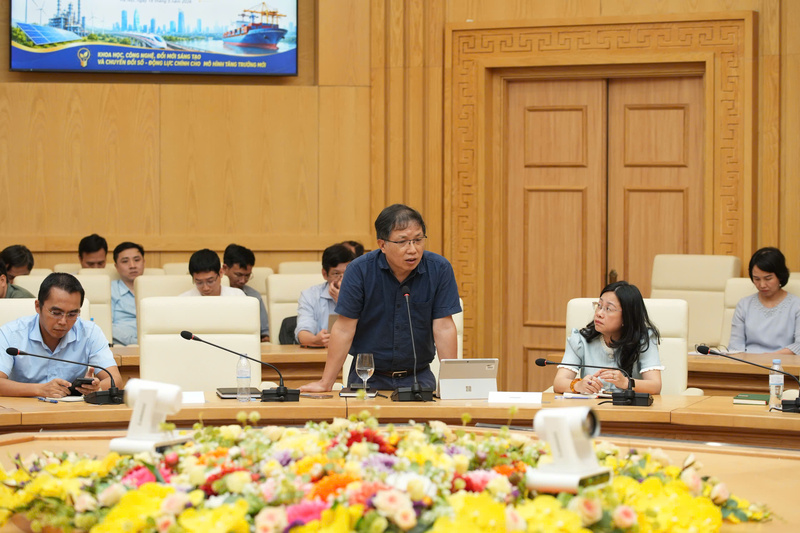
Assoc.Prof.Dr. Vu Nguyen Thanh, Director of the Institute of Food Industry.
According to Dr. Phan Dang Phong, priority areas should include railways, energy, power grids, mineral extraction and processing, shipbuilding, automobiles - motorcycles, electrical equipment, agricultural mechanics, synchronous equipment and post-investment technical services. These are areas that both have large market scale and the ability to spread to supporting industries and form core mechanical enterprises.
In other words, the opportunity for Vietnam's mechanics lies right in the domestic market. The key issue is to turn investment demand into specific orders, specific technology transfer tasks and specific localization requirements for Vietnamese enterprises. Without a clear implementation mechanism, most of the equipment value in large projects will still belong to foreign contractors and suppliers.
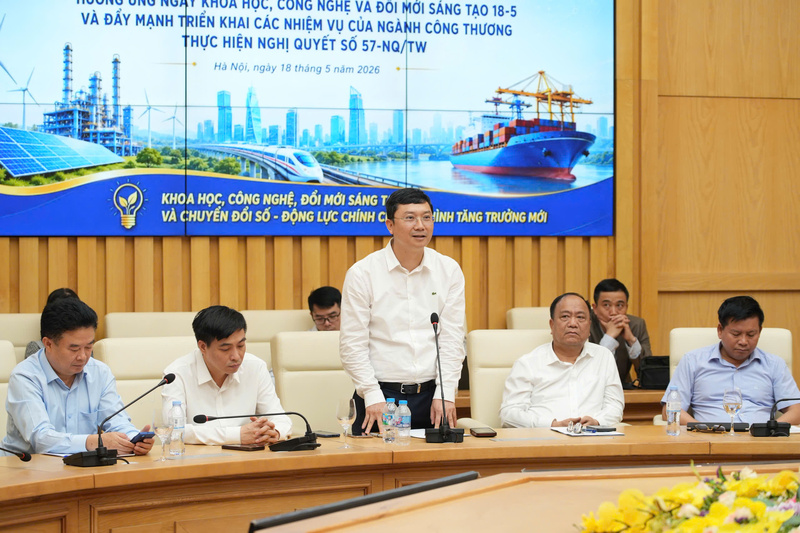
Dr. Nguyen Van Tu - Deputy Director in charge of the Vietnam Petroleum Institute (VPI).
"The mechanisms and policies to create breakthroughs in the coming period should focus on areas with large market capacity, high spillover effects and the ability to bring Vietnamese enterprises into the stages of design, system integration, project management and equipment manufacturing. Support must be conditional, time-bound, with quantifiable criteria and linked to output results; not spread across the entire industry but focus on key mechanical products, core enterprises, priority projects and high value-added stages," Dr. Phan Dang Phong proposed.
Creating a "driving force" for development
Delivering the concluding speech at the conference, Deputy Minister of Industry and Trade Nguyen Sinh Nhat Tan affirmed that the Industry and Trade sector has many scientific and technological products with high practical applicability. To maintain strong growth momentum in recent years, the Industry and Trade sector needs to continue creating outstanding products with high technology content and added value, thereby creating a "driving force" for development.
Praising the units participating in scientific and technological activities, Deputy Minister Nguyen Sinh Nhat Tan said that Resolution No. 57-NQ/TW has created a great impetus for the development of science, technology, innovation and digital transformation. This is not only a trend but also a mandatory requirement to implement for the country to rise and develop, towards double-digit growth targets.
According to the Deputy Minister, the spirit of the Resolution has been thoroughly disseminated in propaganda and communication work. More importantly, the major policies and orientations have been and are being concretized through programs, plans and practical actions.
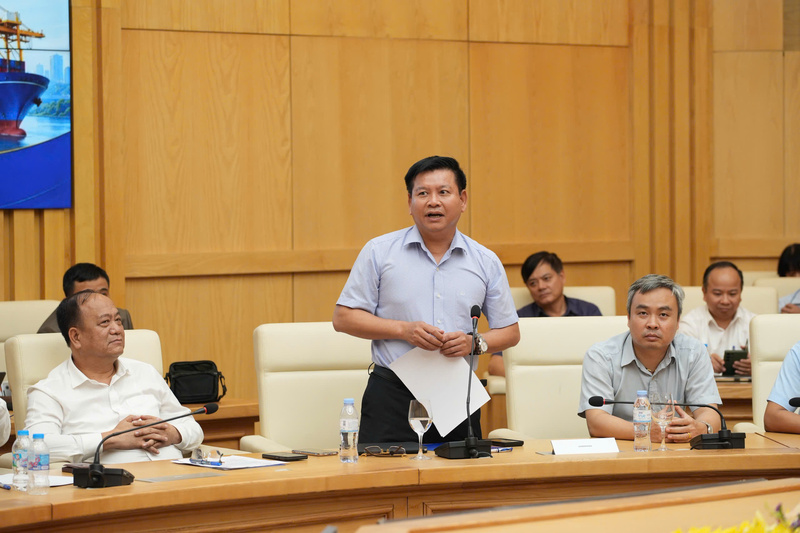
Assoc.Prof.Dr. Dinh Van Chau, Rector of the Electric Power University.
The Prime Minister has issued Decision No. 21/2026/QD-TTg and Decision No. 808/QD-TTg. In addition, the Ministry of Industry and Trade has also issued related decisions. To date, the key task groups, major problems as well as the list of strategic technologies have been fairly clearly defined, showing that the tasks and implementation orientations have become more specific.
From that reality, the Deputy Minister hopes that units will continue to be bolder and more proactive in the implementation process; especially breaking down large tasks into smaller, practical, feasible parts to organize effective implementation in practice. At the same time, it is necessary to strengthen linkages and coordination between institutes and schools in scientific and technological work. The Deputy Minister requested the DIGT to establish a network to synergize resources and connect output markets.
Regarding the implementation of large tasks, key problems and strategic tasks, Deputy Minister of Industry and Trade Nguyen Sinh Nhat Tan requested that units, after the conference, boldly propose and register to undertake specific tasks in the identified list; at the same time, proactively propose additional specific, practical tasks suitable to their unit's capacity. According to the Deputy Minister, this is a necessary requirement to quickly bring major policies into practice.
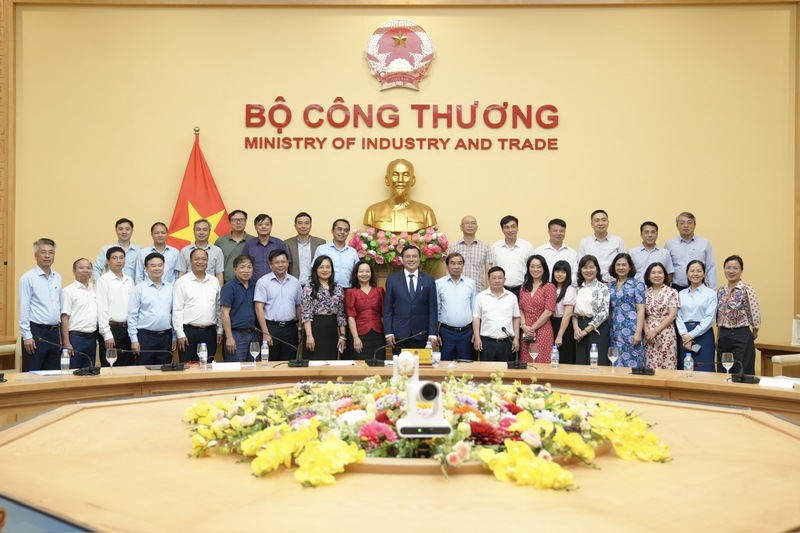
Deputy Minister of Industry and Trade Nguyen Sinh Nhat Tan takes a photo with delegates attending the conference.
The Deputy Minister also requested the DIGT and relevant units to proactively coordinate in assigning, ordering and organizing the implementation of tasks. "Currently, the mechanism for assigning tasks in packages, the risk acceptance mechanism and the technology transfer market have full regulations. The important thing is that we must boldly place orders, boldly assign tasks and aim for specific output products," the Deputy Minister emphasized.
In addition, the Deputy Minister requested attention to issues of standards, regulations, testing, experimentation... "With new thinking and methods in implementation, we expect to contribute to promoting science, technology, innovation and digital transformation of the Industry and Trade sector to make new progress," the Deputy Minister of Industry and Trade said.
For the Industry and Trade sector, science, technology, innovation and digital transformation are identified as one of the key pillars and driving forces to modernize production, improve productivity, quality, competitiveness; develop green industry, modern commerce, smart logistics and ensure energy security.
Source: Ministry of Industry and Trade


