

Home
News - Events NARIME brand in the cause of national industrialization and modernization
Featured News

NARIME brand in the cause of national industrialization and modernization
17/01/2023
Over the course of more than 60 years of development, the National Research Institute of Mechanical Engineering (NARIME) has consistently affirmed its pioneering role in implementing the mechanization, industrialization, and modernization policies of the Party and the State. It has accumulated extensive knowledge and experience, becoming the leading unit in scientific research and technology development in the field of mechanical engineering and automation, making significant contributions to laying the foundation and creating breakthroughs for the development of the nation's mechanical engineering industry. The Institute has participated in and successfully executed numerous major projects and contracts with large domestic and international corporations. The NARIME brand has become associated with many key national projects, contributing to the cause of building and defending the Socialist Republic of Vietnam.
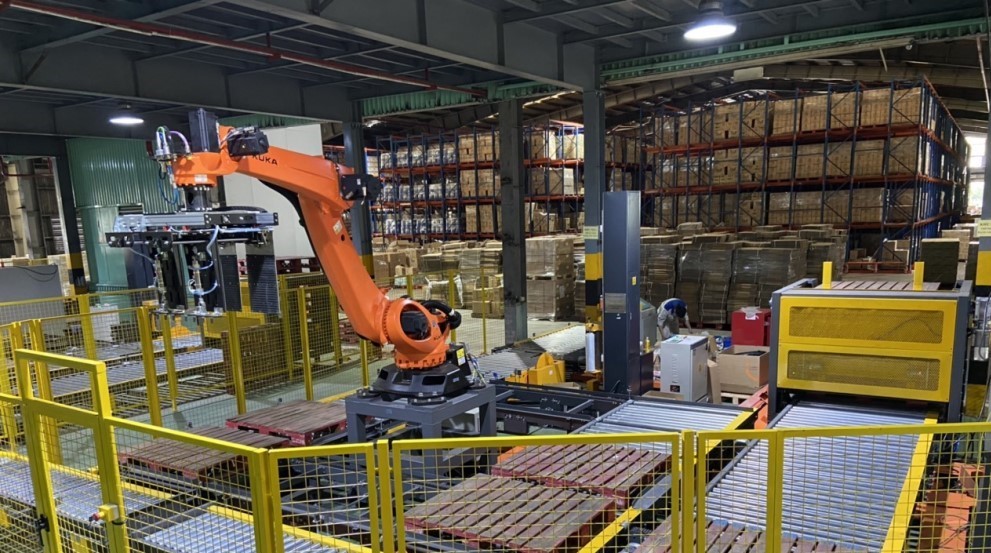
Robotic cargo handling system designed and integrated by NARIME.
A Reputable Brand in the Mechanical Engineering Industry
With strong market analysis and assessment capabilities; capacity building through learning, absorbing, and mastering technology; and a high sense of responsibility, NARIME has truly been and continues to be a reputable brand in plant design and construction, in providing design services, supplying new machinery and equipment, and offering maintenance and repair services for domestic factories and industrial works. It is a reliable address for the Government, corporations, enterprises of all economic sectors, Vietnamese businesses, as well as foreign enterprises to entrust with important projects; a high-tech capable enterprise that domestic and international partners trust to form joint ventures and cooperate in executing large, important, and highly complex projects.
In the hydropower sector, the Institute advised the Ministry of Industry and Trade to assign domestic enterprises the task of designing and manufacturing hydro-mechanical equipment under the Prime Minister's Decision No. 797/CP-CN. In this effort, besides participating in manufacturing, NARIME had to master the design work. The Institute hired experts from Ukraine to come to Vietnam to carry out the design work and collaborated with Vietnamese mechanical engineering enterprises to manufacture and supply equipment for over 30 hydropower projects, with a total value of tens of thousands of billions of VND. Notably, because the design was mastered, even though some projects required international bidding, the Institute and Vietnamese enterprises participated and won these bids.
In the thermal power sector, implementing the Prime Minister's Decision No. 1791/QD-TTg (the 1791 mechanism), the Institute participated in and won bids for several packages of synchronous equipment systems, such as electrostatic precipitators, ash and slag disposal systems, and coal supply systems for the Vung Ang 1, Thai Binh 1, Song Hau 1, Nghi Son 2, and Vung Ang 2 projects. The quality of services, machinery, and equipment has met the stringent requirements of foreign contractors and investors. Notably, for the first time, Vietnam successfully researched, designed, manufactured, integrated, and put into operation a coal handling and transportation system for the Song Hau 1 Thermal Power Plant, achieving a localization rate of 50.6% and quality equivalent to G7 countries, opening a new development direction for the domestic manufacturing mechanical engineering industry.
In the mineral mining and processing sector, the Institute successfully acted as the EPCM general contractor for two projects: Tan Rai and Nhan Co, each with a design capacity of 2 million tons of concentrate per year. A notable achievement is that the Institute designed and manufactured two complete conveyor lines, each with a total length of 5 km, for each plant. These conveyor lines have been handed over and put into operation, meeting requirements, and have received acceptance certificates from the investors for use. Following the success of these tasks, the domestic units directly involved have gained the trust of investors and have been assigned other projects, such as: the Bao Loc Ore Processing Plant (200,000 tons/year), the Lam Dong Processing Plant (1,700,000 tons/year), the Nhan Co Ore Processing Plant (1,700,000 tons/year), etc.
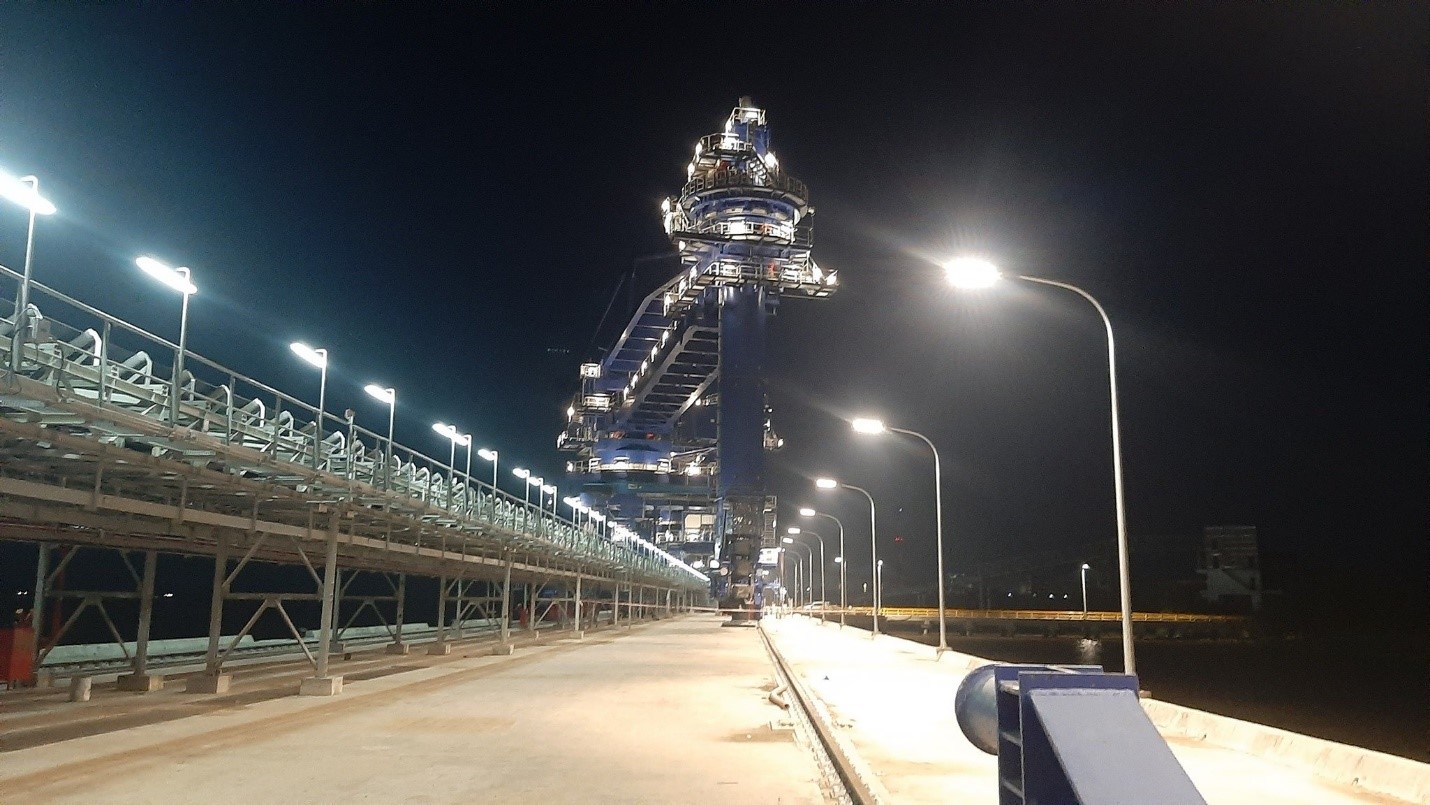
Coal supply system designed and manufactured by NARIME at Song Hau 1 Thermal Power Plant.
In automation technology, the Institute has designed and integrated numerous complex DSC and PLC systems for hydropower plants, thermal power plants, automobile and motorcycle manufacturing plants, and smart warehouses at very competitive prices. Mastering automation technology gives the Institute a strong competitive edge against foreign contractors, helping investors significantly reduce investment costs and dependence on foreign companies.
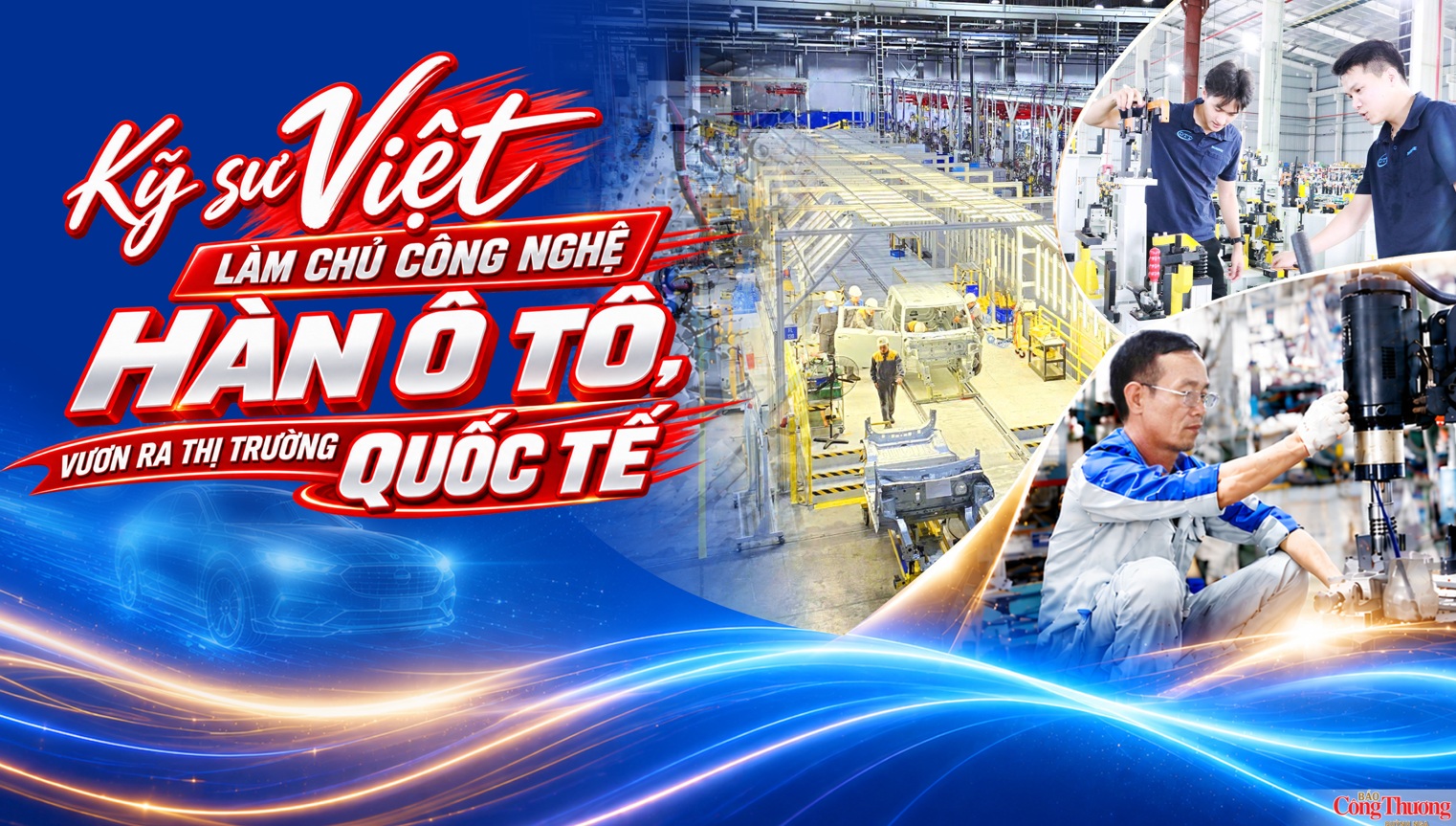
In the automobile and motorcycle industry, the Institute has focused on areas requiring know-how and high technology. One such product is welding jigs (JIGs) for car body frames. To acquire the technology, the Institute learned by working as a subcontractor for Japan's SEG Company to design various types of welding jigs. Through this collaboration with SEG, the Institute's engineers mastered the design technology. Subsequently, SEG placed orders with the Institute for several component assemblies, ranging from simple to complex. To date, more than 10 years after starting as a design subcontractor for SEG, the Institute has mastered the design and manufacture of various types of JIGs. The Institute's JIG products have been supplied for manufacturing various car body types for domestic and foreign car manufacturers, notably the design, manufacture, and supply of JIGs for Vinfast.
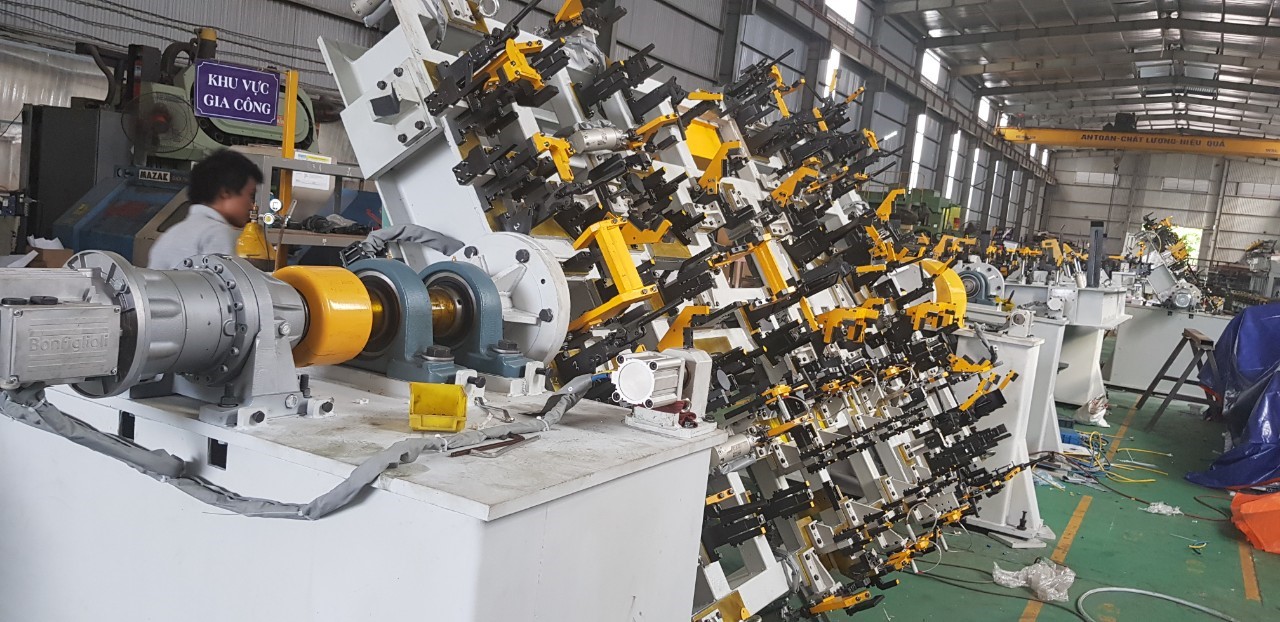
Welding jig for automobile body frames
In the field of new energy and high technology, the Institute successfully executed the turnkey floating pontoon and mooring system for the Da Mi solar power project, with a total capacity of 47.5 MW, which commenced commercial power generation on June 1, 2019. The Institute is currently developing and deploying high-tech products following Industry 4.0 principles, focusing on fully automated smart production lines and warehouses, perfectly aligned with the general development orientation of various industries.
Additionally, the Institute provides machinery, equipment, and technical services for warranty and maintenance of thermal power plants, cement plants, paper mills, and wood processing plants. The Institute's products and services are highly appreciated by customers. For example, in the contract to expand the Hiep Phuoc cement distribution station for the Nghi Son Cement Plant (a joint venture with Japan), to ensure continuous production during the connection of the DCS automation system, the Institute's staff and engineers worked continuously through the Lunar New Year holiday, helping the company maintain production and meet market demand. With such a high sense of responsibility, the Institute has been consistently highly regarded by Nghi Son Cement Company and has continuously received orders for over two decades.
Most recently, the Institute performed dynamic balancing services for gas turbines of DAP 1 and DAP 2 companies at a cost less than one-tenth of the quotation from a German company, yet with better service quality and shorter construction time. Consequently, DAP 1 and DAP 2 companies significantly reduced repair time and equipment maintenance costs.
Continuing to Shine with Great Ambition
In this new journey, in the era of Industry 4.0, where mechanical engineering is closely linked with electronics and informatics, NARIME will focus on and selectively inherit the valuable results and experiences of previous generations, while quickly grasping, accessing, and mastering new science and technology (S&T) to best meet the requirements of the mechanical engineering and automation sector in the integration process. The Institute's leadership has been and is making strategic and tactical adjustments, continuing to build capacity to meet the country's socio-economic development programs.
According to Dr. Phan Dang Phong, President of NARIME, the Institute's development orientation to 2030, with a vision to 2045, is to become a leading independent consultancy unit in Vietnam, with prestige in the international market, fully capable of preparing investment projects, technical designs, and construction drawings for specialized industrial projects within the Institute's strengths, such as mechanical manufacturing and assembly lines, thermal power, renewable energy, mineral processing, chemicals, environmental treatment, industrial automation systems, and smart warehouses. The Institute is fully capable of acting as the EPC, EPCM, or Turnkey general contractor for complete equipment packages of domestic industrial projects within its areas of strength.
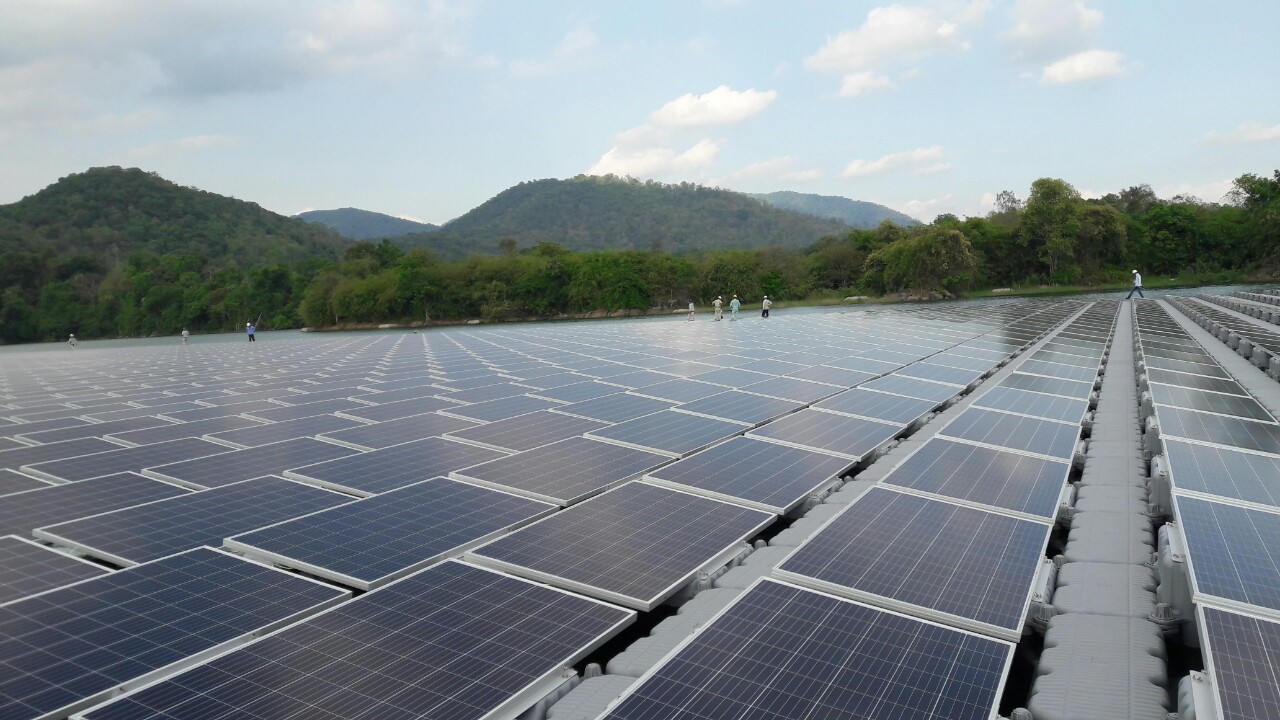
Floating pontoon system for the Da Mi solar power project supplied by NARIME.
To build NARIME to meet the above requirements, the Institute focuses on several research and development programs for complete equipment. Specifically, in the thermal power sector, the focus will be primarily on developing mechanisms, policies, and solutions to master the technology of coal-fired and gas-fired thermal power plant equipment, as well as programs to upgrade and renovate old thermal power plants to suit new environmental conditions. In the building materials production sector, the Institute will focus primarily on developing mechanisms, policies, and solutions to master the technology of equipment for cement plants, waste heat power plants in cement plants, and cement silo equipment. In the new and renewable energy sector, the focus will be primarily on developing mechanisms, policies, and solutions to master the technology of coal-fired and gas-fired thermal power plant equipment, as well as programs to upgrade and renovate old thermal power plants to suit new environmental conditions. In the bauxite mining and processing sector, the focus will be primarily on developing mechanisms, policies, and solutions to master the technology of mineral mining and processing plant equipment. Research and development of complete equipment will also cover equipment and production lines for agriculture and post-harvest processing; waste treatment, waste-to-energy and biomass power generation; industrial robots; and the application of robots in production lines and Industry 4.0 products.
Implementing the self-governance and self-responsibility mechanism for S&T organizations under the Government's Decree No. 60/2021/ND-CP, NARIME is facing significant opportunities and challenges in its transformation. To align with the general development trend and catch up with the Industry 4.0 revolution, the Institute's development orientation for the coming period will be concretized into specific solutions and actions, building its identity and developing the NARIME brand. The Institute will develop based on the synchronous implementation of three main tasks: Focusing on building and perfecting the organizational structure, improving the quality of human resources to meet job requirements; promoting international cooperation and technology transfer to enhance S&T level and affirm the Institute's scientific standing in the region and the world; promoting applied research, linking S&T research topics with the execution of the Institute's economic contracts, thereby creating traditional products for the Institute in the future; researching and developing synchronous equipment systems for domestic industries, while also researching replacement solutions for existing equipment lines in various industries.
With such appropriate adjustments, the leadership of NARIME will surely make the NARIME brand shine ever brighter, meeting the requirements for accelerating the country's industrialization and modernization and international integration./.
Source: Vietnam Mechanical Engineering Journal
Related News
- Discuss solutions to promote foundational industries in the new period
- Research results on the application of robots in a detergent powder manufacturing plant
- Specific mechanisms and policies are needed to develop mechanical engineering products with large market capacity in the period 2026-2045.
- Mastering Heat Exchange Equipment: A New Step Forward for Vietnam's Mechanical Engineering Industry


