

Home
Development cooperation Domestic cooperation National Research Institute of Mechanical Engineering: Promoting cooperation in research and development of dual-use technology
Featured News


National Research Institute of Mechanical Engineering: Promoting cooperation in research and development of dual-use technology
25/04/2023
Not only serving the development of Vietnam's industry, NARIME has recently made new strides in research and development of dual-use technology.
Developing Dual-Use Technology: A Global Trend
Dual-use technology is widely applied in industrial development, especially in the defense industry. In the development program of the defense industry, countries around the world tend to prioritize dedicating their latest and highest achievements in science and technology for initial application in military production. These also represent enormous potential that can serve socio-economic development if dual-use requirements are considered from the research and development stage.
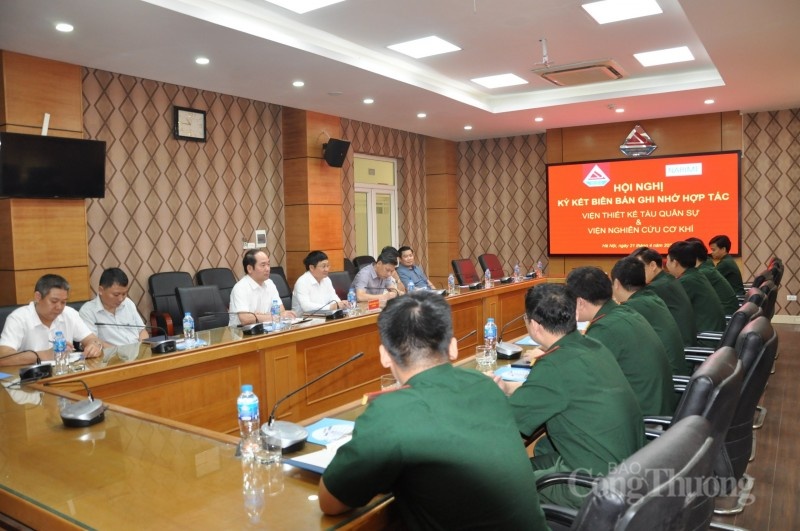
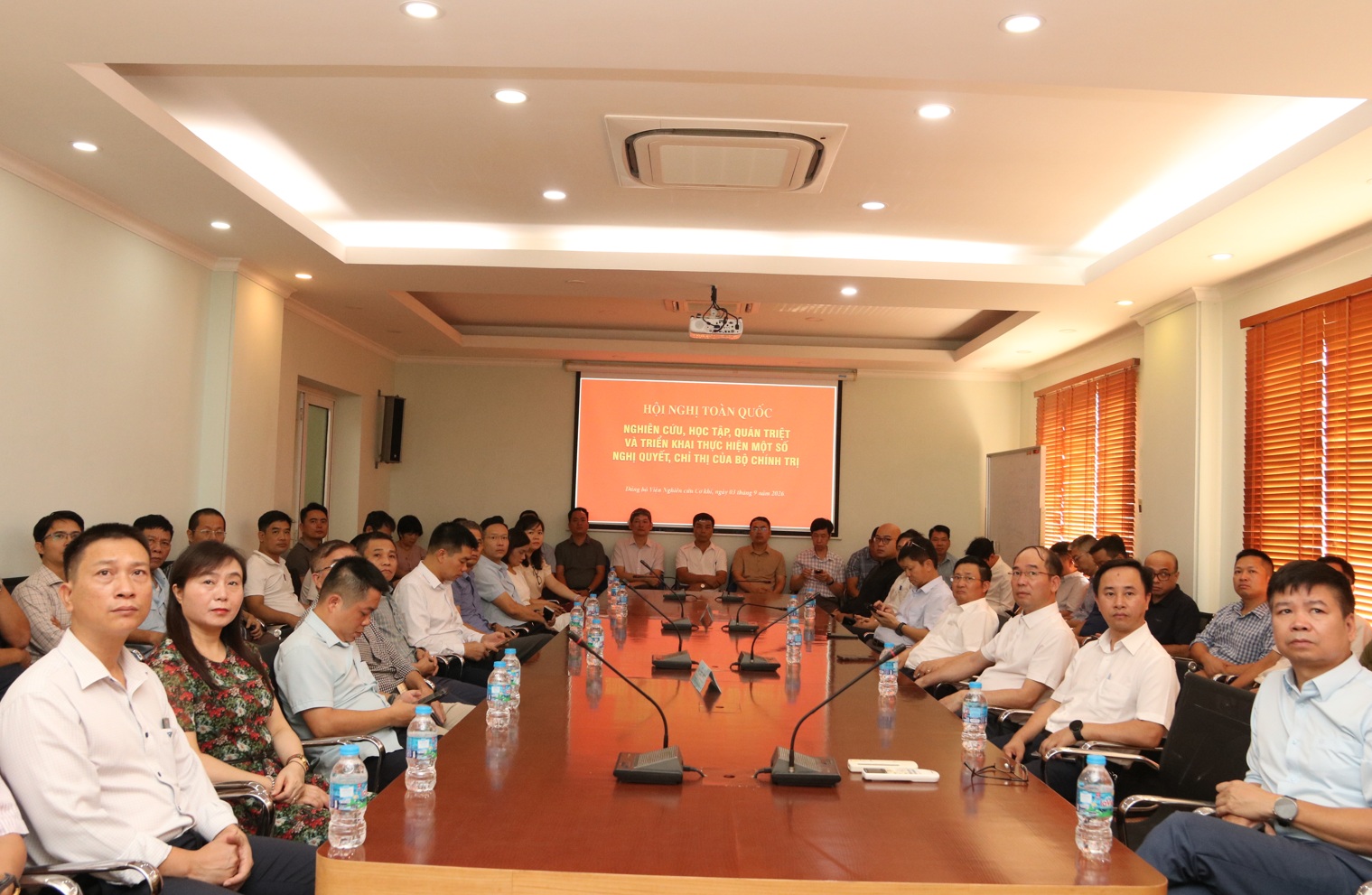
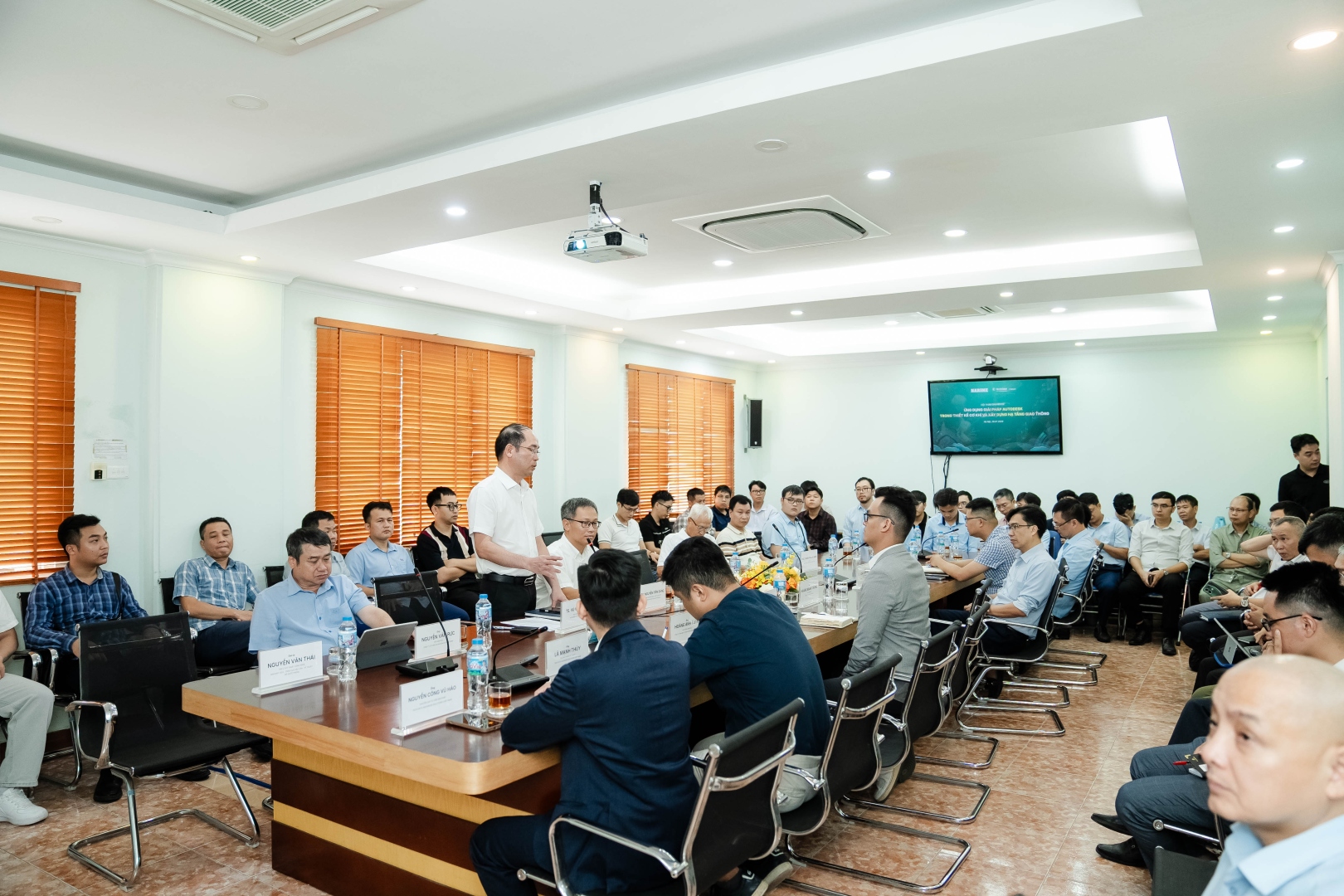
Strengthening cooperation with units of the Ministry of National Defense to develop dual-use technology has been carried out by NARIME in recent times
The term "dual-use technology," according to the common global understanding, includes technology fields that can be simultaneously applied to the design and manufacture of military products and products serving civilian purposes. While the technology for manufacturing weapons and infantry ammunition is highly specialized, making it very difficult to combine the production of civilian consumer goods on the same production line, conversely, types of equipment for various military branches and arms, such as: military vehicles, radar, warships, aircraft, etc., can apply dual-use technology; or there are many similarities and dual-use aspects in the design technology of intercontinental ballistic missiles and launch vehicles for launching space satellites serving civilian purposes, etc.

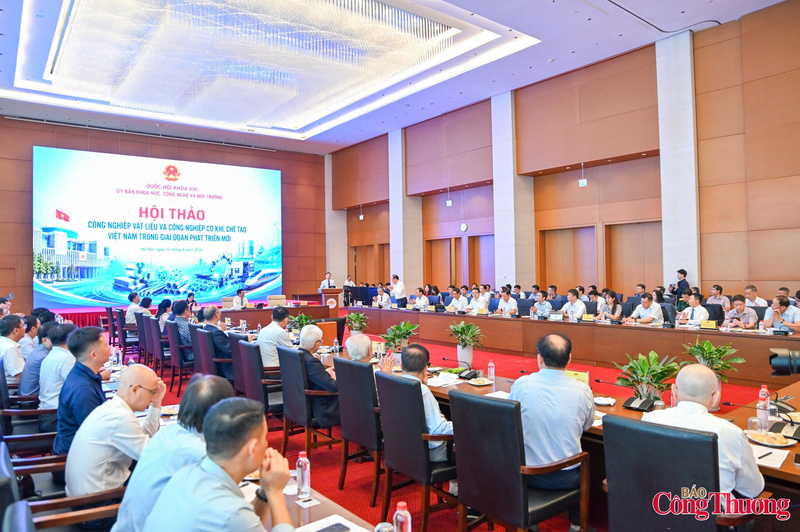
Dual-use technology has been implemented by many countries around the world. Photo of leaders of the Ministry of Industry and Trade visiting Factory Z21 in November 2022
In the defense industry development program, countries around the world tend to prioritize dedicating their latest and highest scientific and technological achievements for initial application in military production. These also represent enormous potential that can serve socio-economic development if dual-use requirements are considered from the research and development stage. Therefore, the defense industry laws of many countries often contain specific regulations on the declassification period of military technological achievements for use in civilian commercial purposes.
According to Dr. Phan Dang Phong - Director of the National Research Institute of Mechanical Engineering (NARIME), Ministry of Industry and Trade: In the context of the current 4.0 Industrial Revolution, the role of dual-use technology becomes even more urgent given the new requirements for improving the scientific and technological level of our country's defense industry in the coming time.
Accessing and mastering the design and manufacturing technology of various types of CNC weapons requires expanding deeper and broader specialization both domestically and internationally. Alongside the process of attracting and diversifying resources for this goal, fundamental shifts in the structure of military technological potential must be created, gradually increasing the proportion of CNC and dual-use technologies.
"Especially, in the configuration of CNC weapons, the 'content' of dual-use technology is most commonly applied in the process of machining and manufacturing assemblies, components, materials, semi-finished products, etc. Therefore, this could be one of the priority directions in the process of 'localizing' weapon production capacity when receiving and transferring foreign technology" - Dr. Phan Dang Phong emphasized.
Resolution No. 08-NQ/TW dated January 26, 2022, of the 13th Politburo on "Promoting the development of the defense industry until 2030 and subsequent years," and the Draft Law on Defense and Security Industry and Industrial Mobilization propose 5 prominent policies: Developing the defense and security industry in a dual-use direction, mobilizing the participation of enterprises, organizations, and individuals; Completing, arranging, and innovating the organizational system; Promoting scientific and technological activities for development; Mobilizing resources for the defense and security industry and industrial mobilization; Expanding subjects and perfecting methods for implementing industrial mobilization.
Realizing Resolution No. 08
Implementing Resolution No. 08, in recent times the National Research Institute of Mechanical Engineering has engaged in several cooperative activities with defense units, including: PhD training in mechanical engineering; participation in science and technology councils; research, design, manufacturing, and control of active electromagnetic bearings to support vibration reduction...
Notably, the Institute has cooperated in designing, manufacturing, and transferring technology for several project items serving the repair of surface ships and submarines with the Naval Command. For example, supplying 40 MPa high-pressure compressed air for ships, water pump and oil pump test stations, technology platforms, automatic billet supply systems, etc.;
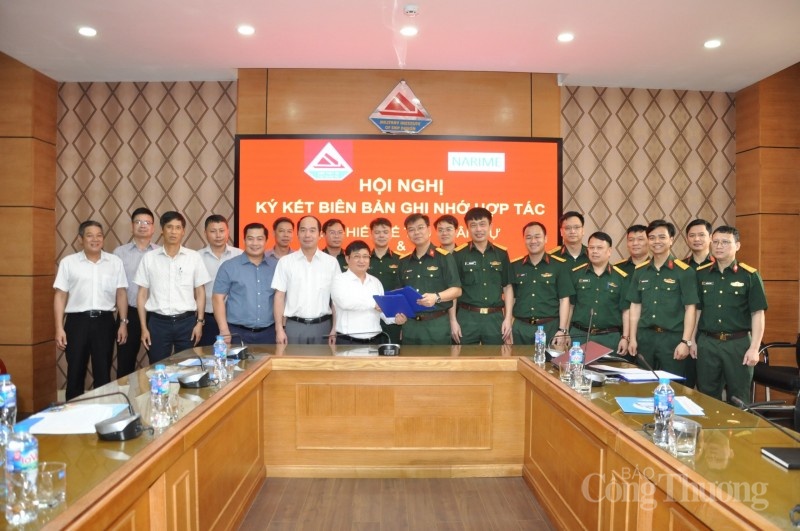
NARIME and the Military Ship Design Institute signed a cooperation memorandum on developing dual-use technology
Also according to Dr. Phan Dang Phong, to concretize Resolution 08, NARIME has also signed a Cooperation Agreement with the Military Ship Design Institute on designing and manufacturing mechanical, hydraulic, and automation systems on military ships, covering areas such as: Automation of the bow and cargo hold; ship hull structure; crane systems, ship propellers; winches, steering gear; dynamic calculation of amphibious troop carriers; human resource training; development of standards, regulations, and technical-economic norms...
In the activity of machining mechanical products on specialized equipment, NARIME has performed machining of large gears and/or gears requiring grinding; machining of deep boreholes; manufacturing balls for ball mills; manufacturing rollers for sugar mill presses, etc.;
Additionally, NARIME has also conducted information exchange on unmanned aerial vehicles (UAVs) for defense purposes with the General Department of Defense Industry.
In the cooperation program with the Ministry of National Defense, NARIME acts as the unit responsible for designing and manufacturing dual-use systems and components within defense equipment. Meanwhile, defense units and enterprises design and manufacture specialized components for defense purposes (guns, ammunition, explosives, etc.); integrate dual-use systems and components with specialized defense components to create specialized equipment for defense purposes (ensuring national defense and security confidentiality)...
Also according to the bilateral cooperation program, units and factories under the Ministry of National Defense will support the National Research Institute of Mechanical Engineering - Ministry of Industry and Trade in manufacturing parts and equipment requiring the use of specialized, large-sized, or high-tech equipment that only defense enterprises are equipped with.
For instance, in the cooperation program with the Military Ship Design Institute, the two sides will strengthen cooperation in the field of designing and manufacturing mechanical, hydraulic, and automation systems on ships, including:
Research, calculation, and design of mechanical systems with complex structures such as: Anti-roll fin systems, folding crane systems, controllable pitch propeller systems,...; optimization of structures and enhancement of automation features of onboard equipment; construction design for shipbuilding including ship equipment mechanics, ship machinery, electrical and automation systems on ships;
Machining and manufacturing mechanical equipment on ships such as: Steering gear, anchor winches, folding crane systems, mechanical-hydraulic systems of anti-roll fins, hydraulic systems for raising/lowering bow ramps, hatch cover systems for landing ships and transport ships, controllable pitch propeller shaft systems,... and other products within the strengths of each unit;
Cooperation in scientific research and human resource training: Researching and proposing coordinated implementation of scientific research projects at various levels in the fields of shipbuilding and other industries suitable to each party's capabilities; researching and proposing the development of sets of technical-economic norms, regulations, and mechanical industry standards; training technical professional staff.
"The above cooperative activities aim to expand and improve the quality of scientific research, coordinate human resource training, and cooperate in the field of designing and manufacturing mechanical, hydraulic, and automation systems on ships and in other industrial sectors between the two units. This will contribute to economic development through dual-use research activities, while allowing both sides to be more proactive in integrating dual-use criteria during the research and development of new technologies" - Dr. Phan Dang Phong further stated.
Source: Cong Thuong Newspaper
Related News
- PV Power and NARIME sign comprehensive cooperation agreement to promote localization of the mechanical engineering industry.
- Signing Ceremony of Contract Package No. 01: Provision of Design, Equipment, and Technical Services under the Investment Project for Construction of the Raw Material Warehouse
- Vietnam and Laos Sign Agreement to Build Cross-Border Coal Conveyor Belt
- The National Research Institute of Mechanical Engineering worked with a delegation from the Italian Trade Office and the Italian Association of Manufacturers of Machine Tools, Robots, Automation Systems and Auxiliary Equipment (UCIMU).


