

Home
News - Events Science & Technology News National Research Institute of Mechanical Engineering: Pioneering Localization of Equipment for Industry
Featured News
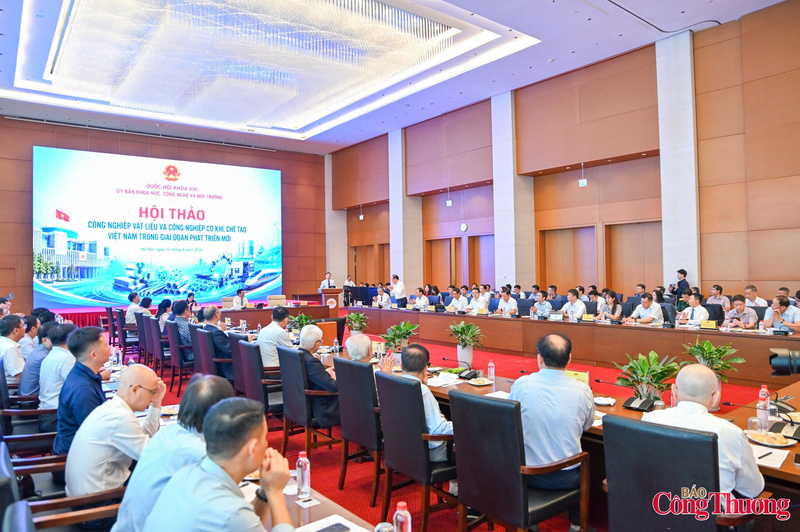
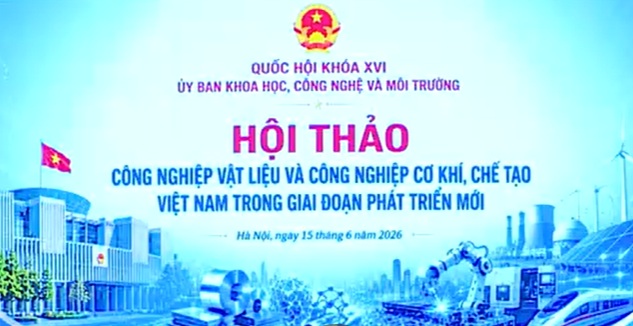

National Research Institute of Mechanical Engineering: Pioneering Localization of Equipment for Industry
Continuing the success in implementing science and technology (S&T) programs, and the localization of industrial plant systems and equipment, the National Research Institute of Mechanical Engineering (NARIME) is making strong and comprehensive investments in S&T research, localization, and mastering the design of equipment systems for many key economic programs of the country, meeting the socio-economic development needs in the era of the 4.0 industrial revolution.
Leading in Technology Mastery
The National Research Institute of Mechanical Engineering (NARIME), under the Ministry of Industry and Trade, is a state research and implementation organization for S&T in the fields of mechanical engineering and automation. Since its early days of establishment in 1962, the Institute for Mechanical Design and Manufacturing (the predecessor of the National Research Institute of Mechanical Engineering) identified the task of localizing equipment and systems for industrial plants as one of its crucial missions.
In recent years, the National Research Institute of Mechanical Engineering has adhered to the principle of closely linking research activities with socio-economic programs. On average, the Institute implements about 5 to 10 S&T projects/tasks at various levels each year. With financial support from the Ministry of Industry and Trade and the Ministry of Science and Technology, combined with financial resources from major economic contracts, the Institute has achieved numerous outstanding research results.
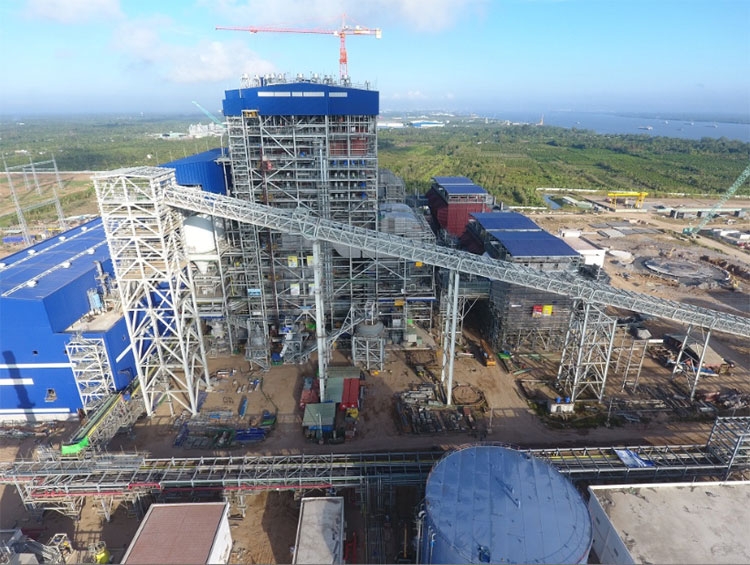
Installation of the Coal Supply System for Song Hau 1 Thermal Power Plant
Notable achievements include: Mastering the design and manufacturing of auxiliary equipment; progressively mastering plant design, project management, and equipment integration and commissioning for bauxite processing plants; mastering the design and manufacturing of hydraulic mechanical equipment for hydropower projects, including two special projects: Son La (2400MW) and Lai Chau (1200MW). Products benefited from Ministry of Industry and Trade support in purchasing designs for the first hydropower project, A Vuong. Mastering the design and manufacturing of several auxiliary equipment systems for thermal power plants, such as coal supply systems, ash and slag disposal systems, electrostatic precipitators, fire prevention and firefighting systems; mastering the design and integration of automation systems for industrial lines like paper mills, cement plants, and small hydropower plants; mastering the technology for designing and manufacturing floating platforms and mooring systems for floating solar power projects; mastering diagnostic technology and proactive monitoring of rotating parts for industrial works; mastering waste treatment and waste-to-energy technology.
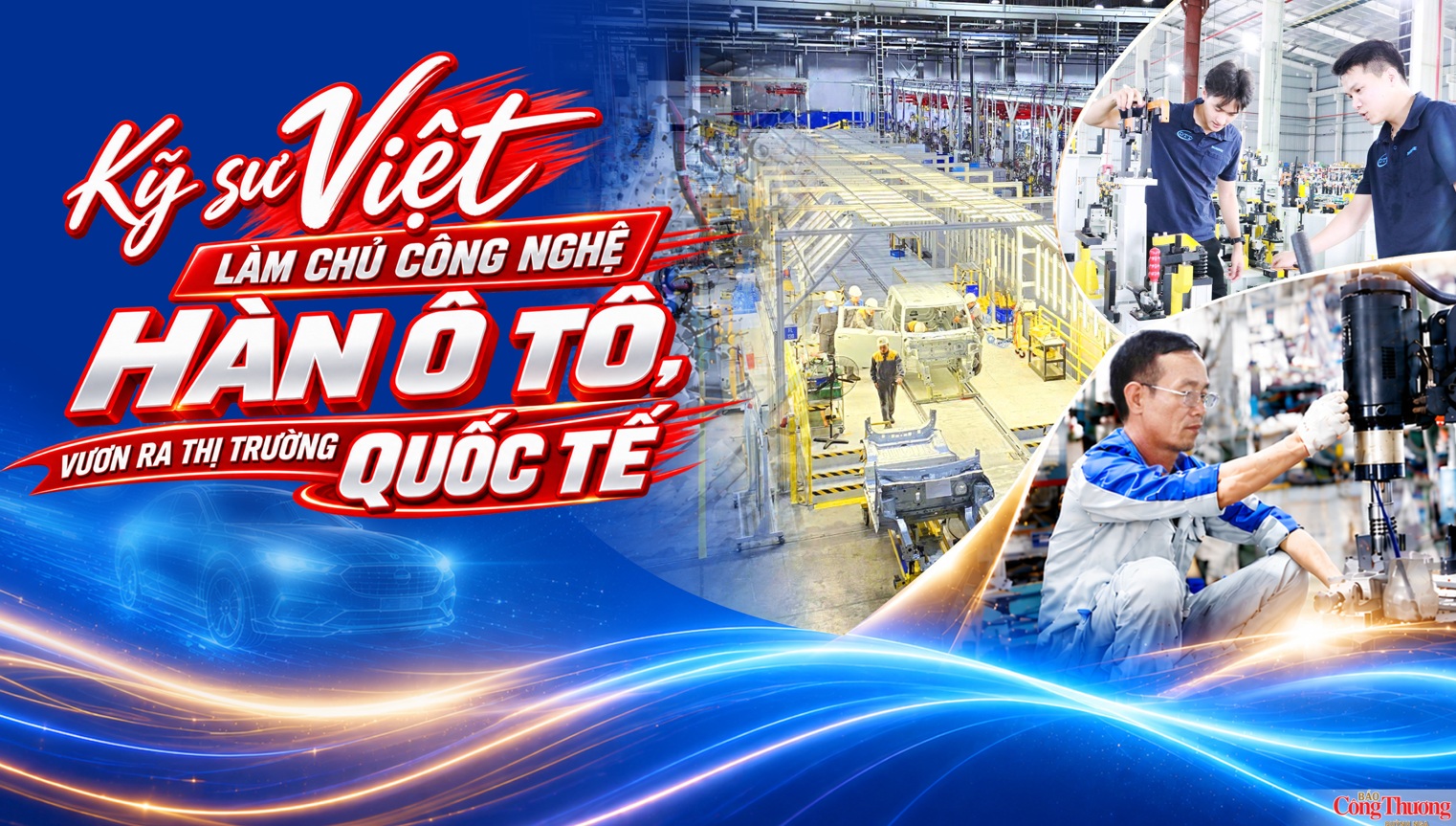
The Institute is also focusing resources on research, technology transfer, and moving towards mastering new technologies such as: Technology and equipment for dry disposal of red mud, environmental incident handling systems (applicable to Lam Dong and Nhan Co alumina plants); design and manufacturing of automobile and motorcycle assembly lines, and design and manufacturing of molds, dies, and jigs for the automotive and motorcycle industry; robots and intelligent warehouse systems for industrial manufacturing plants; raw material storage systems for cement plants; new energy and renewable energy equipment technology.
Factors for Success
To achieve success in S&T research activities, NARIME has persistently oriented itself towards serving the country's major economic programs as its "guiding compass" for all activities, making early and in-depth investments to anticipate and meet the demands of these programs. NARIME has participated in major national economic programs in industries such as: Cement, hydropower, thermal power, bauxite mining and processing, oil rigs, etc.
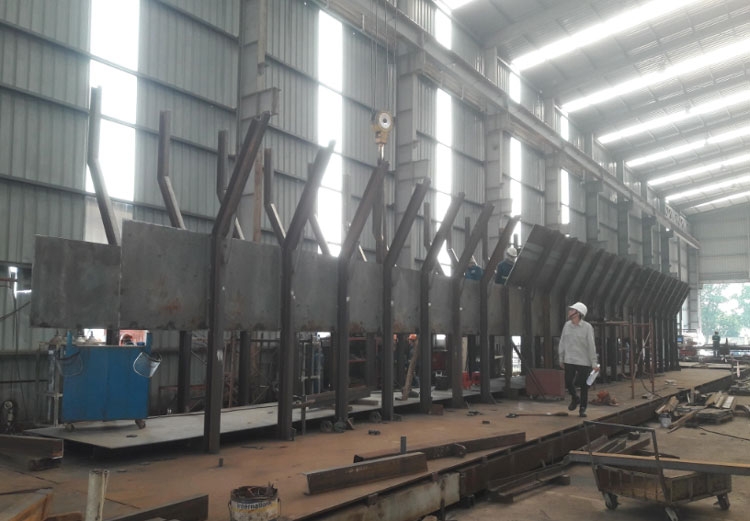
Supply and manufacturing of equipment for the slag disposal system of Nghi Son 2 Thermal Power Plant – capacity 2×300 MW
NARIME identifies these as areas requiring investment in research, design, equipment manufacturing, project management and construction, striving not only to be a provider of design consulting services and equipment supply but also to become a strong EPCM or EPC contractor.
Besides, NARIME consistently recognizes that before localizing complex, synchronous equipment, researching, designing, and manufacturing simpler, individual components is necessary. This process allows for the accumulation of knowledge, experience, and know-how. Only with a clear understanding and specific know-how can we have the "necessary and sufficient" conditions for equal cooperation with domestic and foreign organizations and individuals.
Simultaneously, through activities involving the provision of design, manufacturing, installation, and commissioning of equipment and systems, as well as other service activities, NARIME builds trust with investors and clients, establishes the NARIME brand, and develops localization efforts.
In equipment manufacturing and supply, NARIME also advocates for collaboration with domestic and foreign manufacturers. Accordingly, foreign suppliers provide certain key machines and equipment within a system or product to ensure product quality. NARIME invests in specific manufacturing technologies to produce certain critical products or components, gradually reducing the import ratio.
Equipment that can be manufactured domestically, or steel structures, is handled through collaboration with domestic mechanical manufacturing units. In these tasks, NARIME directly carries out system integration, trial runs, and commissioning with the assistance of reputable foreign experts or companies.
To leapfrog and lead in the localization of thermal power plant equipment, NARIME has thoroughly studied the experiences of many countries worldwide, such as Germany, the USA, Japan, South Korea, India, and China. The localization process for thermal power plants is a continuous process involving the transformation of traditional institutions and old technologies by applying modern scientific and technological knowledge.
NARIME began its localization process by "borrowing" technology from abroad. This was deemed essential for late-starting companies: not to copy the "borrowed" technology 100%, but to create innovative imitation.
Source: Cong Thuong Newspaper: https://congthuong.vn/vien-nghien-cuu-co-khi-don-dau-noi-dia-hoa-thiet-bi-cho-nganh-cong-nghiep-156977.html
Related News
- Discuss solutions to promote foundational industries in the new period
- Research results on the application of robots in a detergent powder manufacturing plant
- Specific mechanisms and policies are needed to develop mechanical engineering products with large market capacity in the period 2026-2045.
- Mastering Heat Exchange Equipment: A New Step Forward for Vietnam's Mechanical Engineering Industry


