

Home
National Research Institute of Mechanical Engineering (NARIME) identifies strategic technology development as a long-term process, grounded in research capacity and measured by applied products.
Featured News
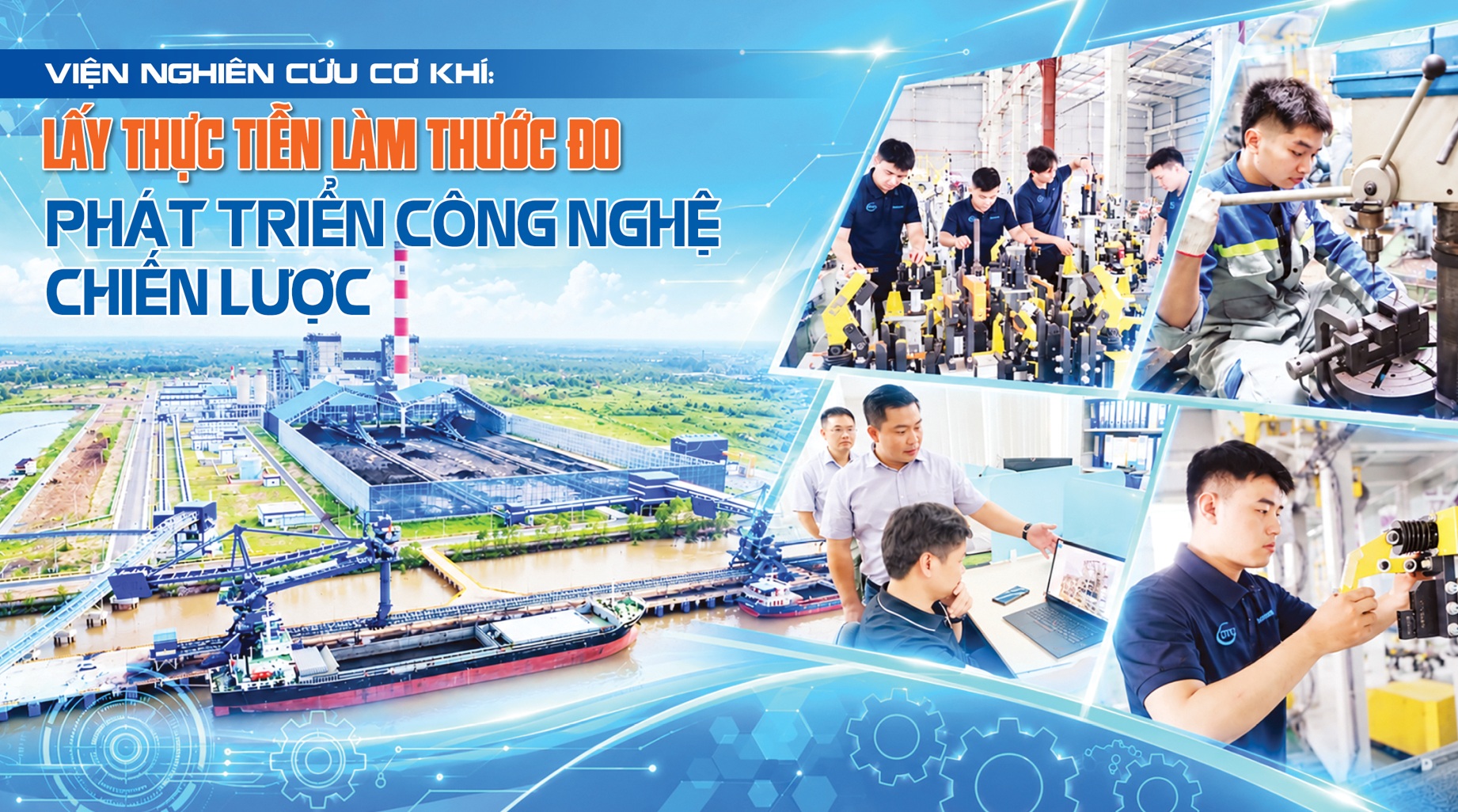
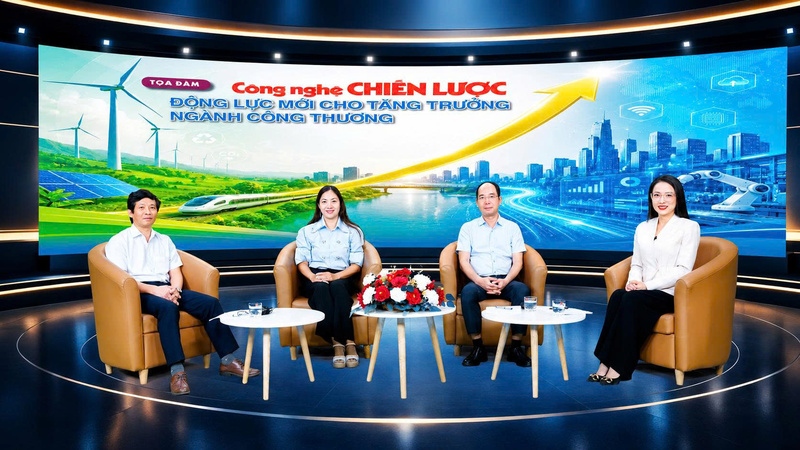

National Research Institute of Mechanical Engineering (NARIME) identifies strategic technology development as a long-term process, grounded in research capacity and measured by applied products.

Established in 1962, the National Research Institute of Mechanical Engineering - NARIME under the Ministry of Industry and Trade is the leading research and development agency in science and technology, design consultancy, and manufacturing of synchronous equipment lines in the field of mechanical engineering and automation.
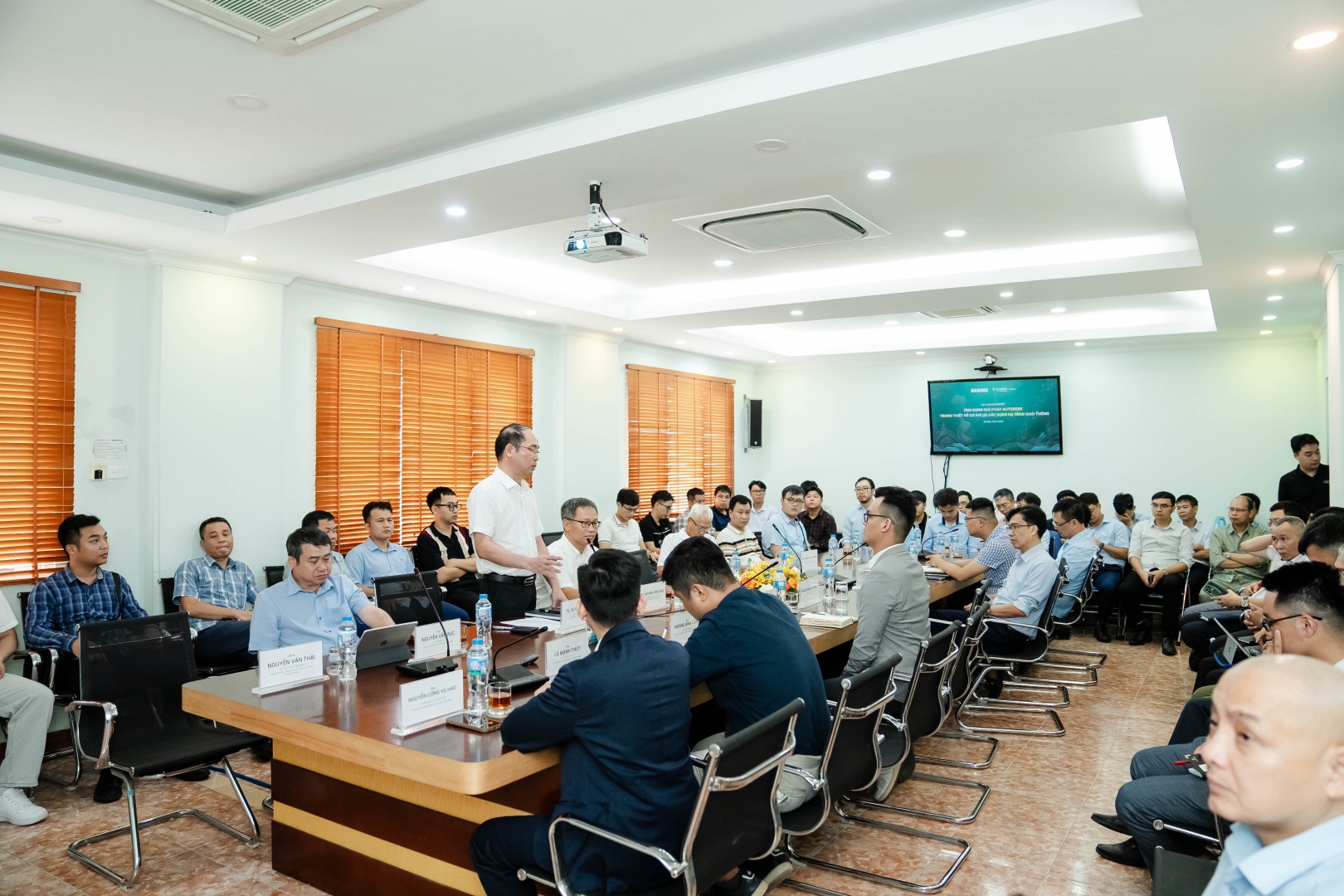
Dr. Vu Van Khoa, Deputy Director of the National Research Institute of Mechanical Engineering (Ministry of Industry and Trade) said that over 64 years of construction and development, the activities of NARIME have been closely linked with the major economic programs of the country. Through contracts, the staff of NARIME approach requirements for quality, progress, cost, and product reliability. This is the condition to determine research problems from practical needs and evaluate results by applicability.
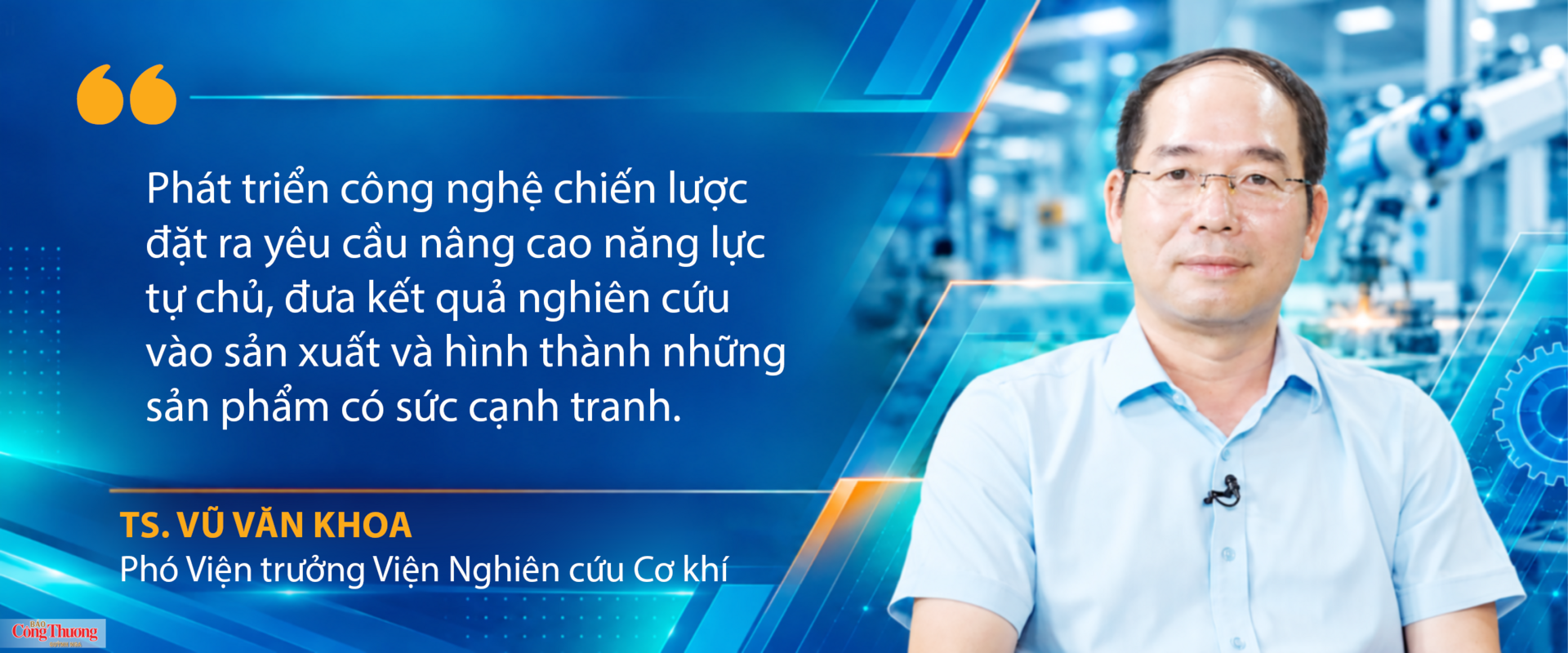
The Institute currently has nearly 450 staff members, including 320 official employees, while the remainder are experts and contract workers. With more than 200 engineers, 72 masters, and 17 doctors, the team of scientists has been built up through science and technology tasks, industrial projects, and international cooperation, and is capable of integrating mechanical engineering, electrical, measurement, control, and project management disciplines.
In addition, the team of 13 senior researchers/senior engineers and 44 principal researchers/principal engineers constitutes a high-quality workforce that effectively serves scientific research, technology development, and implementation activities. During the 2020-2026 period, the Institute published 378 domestic and international articles, released 12 monographs, and obtained inventions and intellectual property outcomes. These results reflect the professional foundation for technology development.
Regarding testing infrastructure, the Institute's four laboratories include: the Key Laboratory of Welding Technology and Surface Treatment; the Laboratory for Design, Fabrication, and Testing of Thermal Power Plant Equipment; the Laboratory for Integration of Technology and Equipment in Industrial Production Lines; and VILAS1031, which is effectively performing its functions and duties.
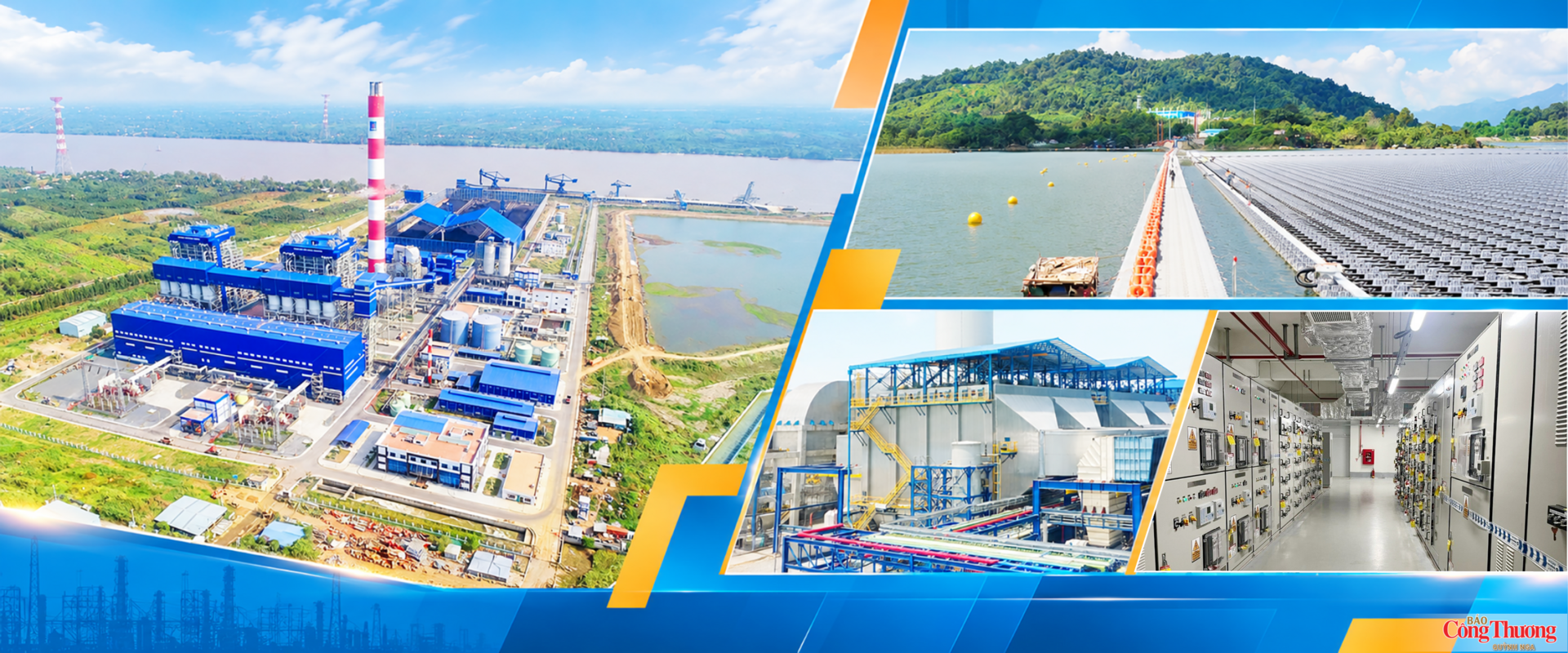
National Research Institute of Mechanical Engineering has affirmed its design and manufacturing capabilities in many key fields
To further enhance its leading role as a premier institute, NARIME is implementing the “Project on In-depth Investment to Enhance Research, Design, Manufacturing, and Testing Capabilities for Mechanical Engineering and Automation Equipment” under Decision No. 3629/QĐ-BCT dated 15/12/2025 of the Ministry of Industry and Trade.
“The Institute's orientation is to combine infrastructure investment with human resource training, organizing research groups and application needs. Equipment should be utilized for both research, product evaluation, and cooperation with enterprises; simultaneously adding experts in new fields, improving foreign language skills, project management, and international cooperation capabilities” - Dr. Vu Van Khoa said.

Also according to Dr. Vu Van Khoa, NARIME takes science and technology tasks as a foundation to form design, manufacturing, system integration and project implementation capabilities in the fields of hydropower, thermal power, automation, cement, new energy, mineral exploitation and processing, and EPC/EPCM.
Through this process, the Institute has shifted from applied research to developing high-completion technology products, linked to application addresses and commercialization potential. To date, the Institute has formed and mastered many important technology groups in the fields of thermal power, hydropower, bauxite - alumina - aluminum, floating solar power, automation, waste heat power generation, automobiles and motorcycles.
In response to practical requirements, the Institute has proposed to the Ministry of Industry and Trade 4 strategic technology product development tasks including: First, research, design, manufacturing and trial operation of a system for extraction, recovery and refining of gallium in the alumina production line, aiming to exploit additional high-value products.
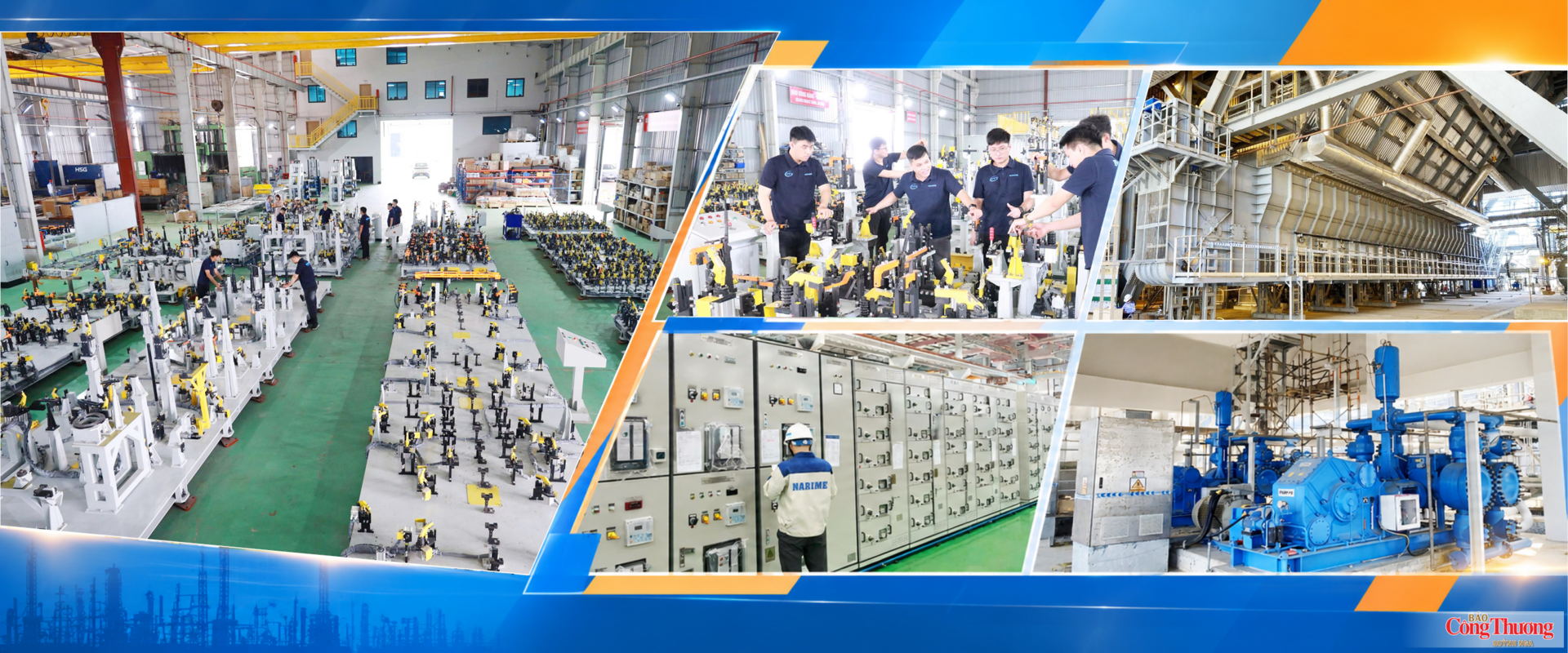
National Research Institute of Mechanical Engineering masters technology, enhances localization, and builds a modern industry
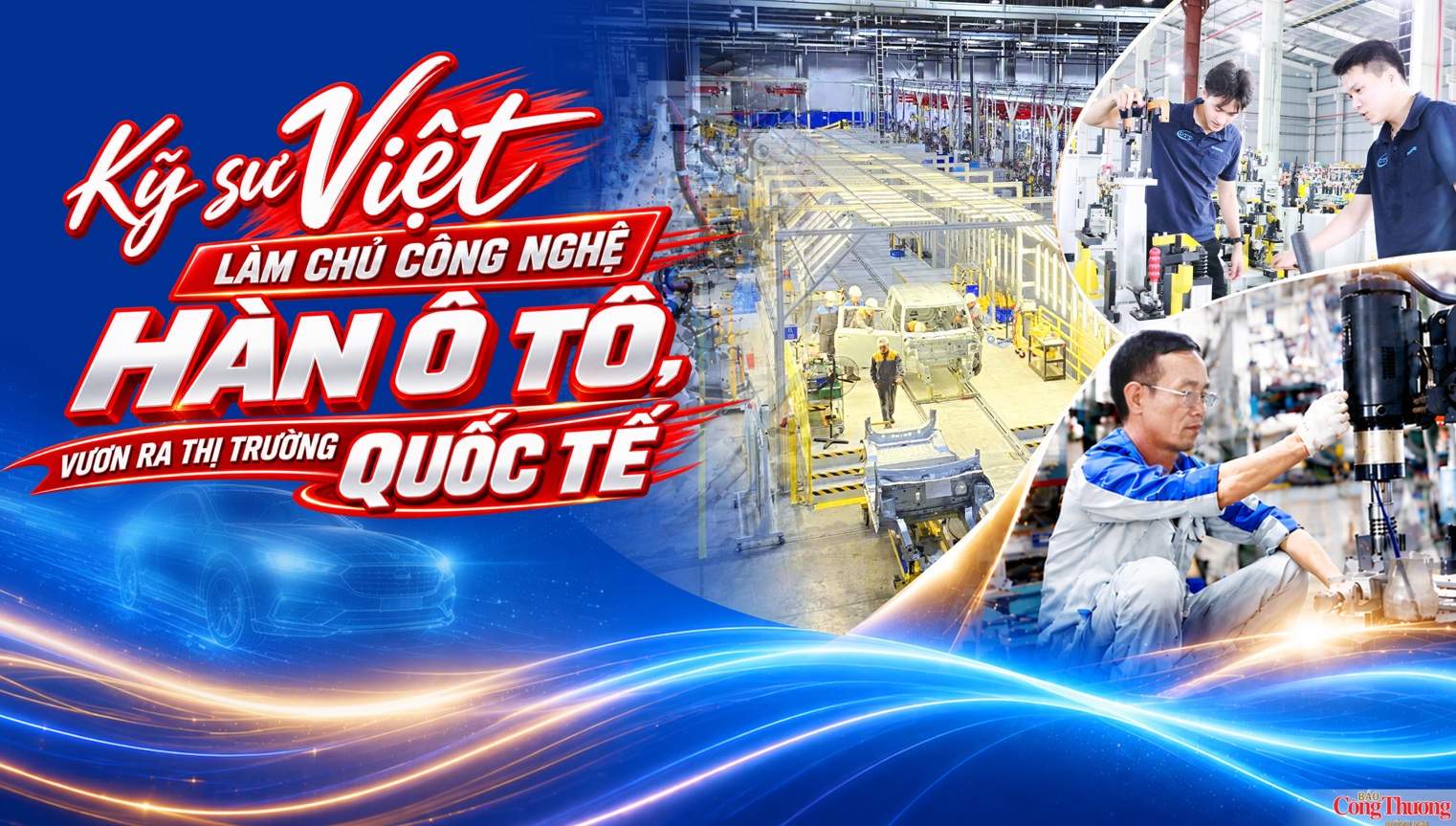
Second, mastering the design, manufacturing and integration technology of welding robots for several key stations of automobile body welding lines, enhancing the capacity for self-reliance in production equipment.
Third, developing management and operation solutions for the warehouse - transport - port chain on a digital twin platform, linked to a semi-experimental model and application at a large-scale iron and steel - seaport complex.
Fourth, researching to master the design, integration and trial manufacturing of traction power supply systems for urban railways and electrified inter-regional railways. These are the tasks proposed for review and consolidation; their implementation must be tied to approval, resources and application partners.
NARIME identifies strategic technology development as a long-term process, taking research capacity as the foundation, enterprise needs as the driving force, and applied products as the yardstick. "The Institute's general approach is to select tasks appropriate to its capacity, master them step by step, with output products and application addresses. For new technology directions, it is necessary to survey, test and evaluate before scaling up; for technologies with an established foundation, standardization and enhanced repeatable supply capability are needed" - Dr. Vu Van Khoa said.

The Deputy Director of the National Research Institute of Mechanical Engineering further shared that NARIME's experience shows that the three-way linkage among the State, scientists, and enterprises is effective when organized around a specific production problem and project. In this model, the State sets priorities, places orders, provides resource support, and creates conditions for testing and application. Scientists carry out research, design, receive, and master technology. Enterprises identify needs, coordinate investment, provide the operating environment, and bring products to market.
The process of mastering hydro-mechanical equipment is a typical example. From the first project associated with receiving technology transfer, the Institute coordinated with mechanical enterprises to develop designs, manufacture, and deploy at many subsequent projects.
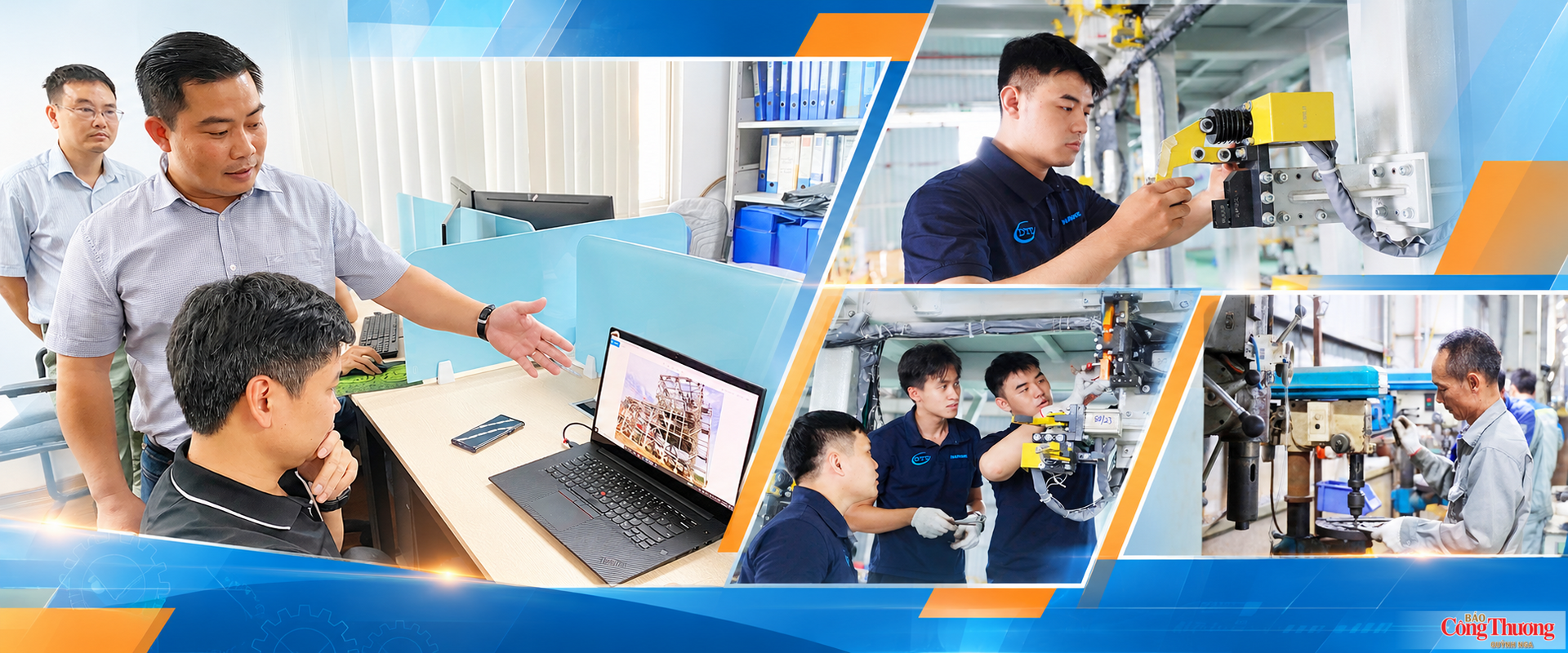
The National Research Institute of Mechanical Engineering always identifies and regards science and technology activities as its central focus
The connection among State mechanisms, research capacity, and manufacturing capability has formed domestic capability that can be sustained across many projects. Cooperation with VinFast, Lix, and logistics enterprises shows that enterprises play an important role in establishing requirements and validating products.
For strategic technologies, this relationship needs to be developed into long-term cooperation, in which the parties jointly define objectives, contribute resources, organize trials, and agree on a commercialization plan from the outset.
The cooperation agreement must clarify responsibilities, ownership and exploitation of results, and the sharing of benefits and risks. Only then will the three-party linkage (State, researchers, and enterprises) truly become a mechanism for creating products, accumulating capacity, and expanding markets.

Dr. Vu Van Khoa stated that, in developing strategic technologies, the foremost difficulty is the shortage of highly qualified human resources in a number of new specialized fields; foreign language competency and project management capabilities are not yet uniform. The Institute faces human resource competition with enterprises. Meanwhile, strategic technology development requires a stable workforce capable of accumulating long-term experience and coordinating across disciplines.
The next obstacle is the resource gap from research to commercialization. Research funding needs to be supplemented to meet the requirements of prototype manufacturing, long-term testing, inspection, certification, and on-site refinement. As domestic bidding still lacks similar contract records, it is difficult to access the first project...
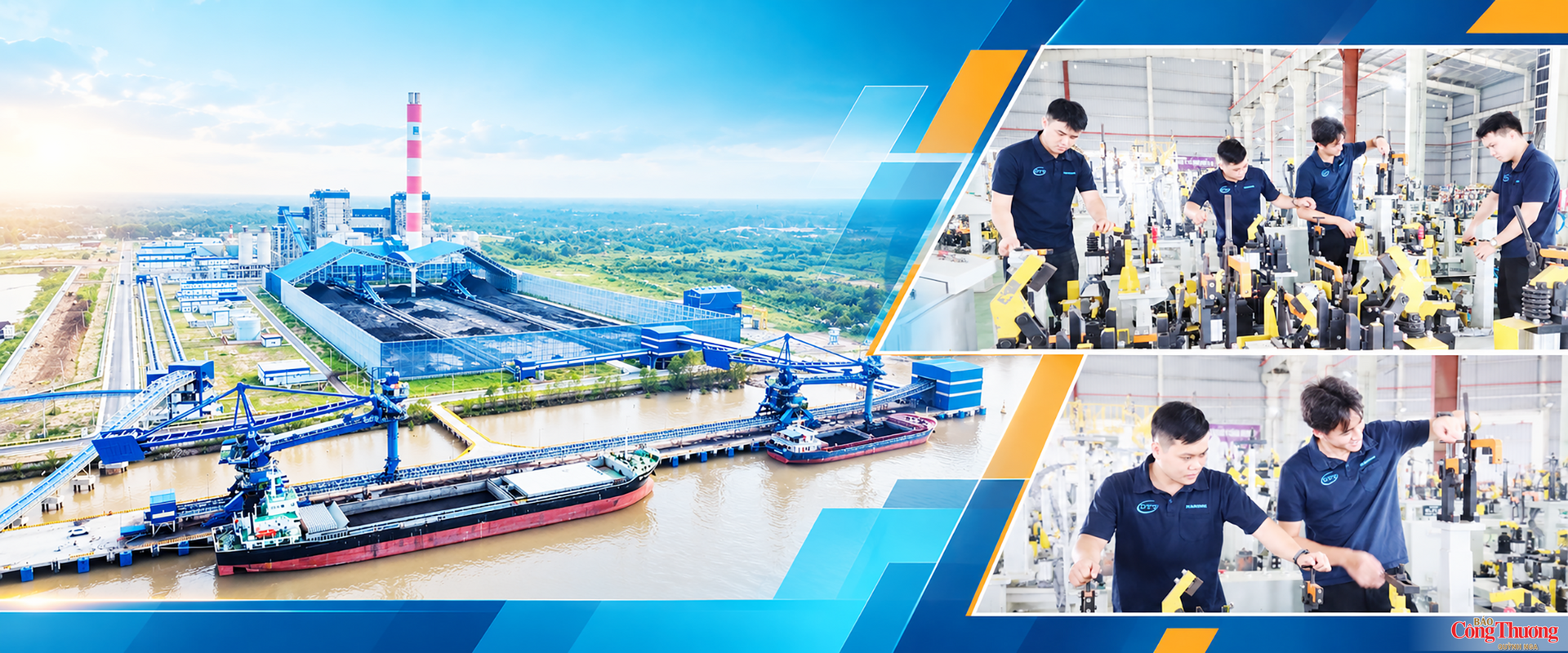
The results achieved by NARIME in research and science-technology transfer have delivered practical socio-economic benefits.
Based on that reality, the Institute recommends four key points: First, selecting and commissioning tasks based on output products, market demand, and implementation capacity. Each task must clearly define the research unit, application enterprise, technology mastery roadmap, and evaluation criteria.
Second, establishing a support mechanism for products first designed and manufactured domestically through commissioning, controlled testing, or appropriate procurement in real projects. It is necessary to specify responsibilities, acceptance criteria, and risk sharing, enabling products to have the opportunity to demonstrate their operational capability.
Third, allocating resources throughout the chain from research to industrial testing and commercialization; combining budget with enterprise contributions at each stage. At the same time, timely allocation of capital for the project to enhance the Institute's research capacity, ensuring infrastructure meets task requirements and is effectively utilized.
Fourth, supporting training, attracting and retaining human resources, and strengthening international cooperation. Technology transfer should be associated with necessary documentation, design data, training, and exploitation rights. Major industrial projects should create opportunities for domestic research organizations and enterprises to participate deeply in design, manufacturing, and integration, thereby building sustainable self-reliance capacity.

Source: Industry and Trade Newspaper
Related News


